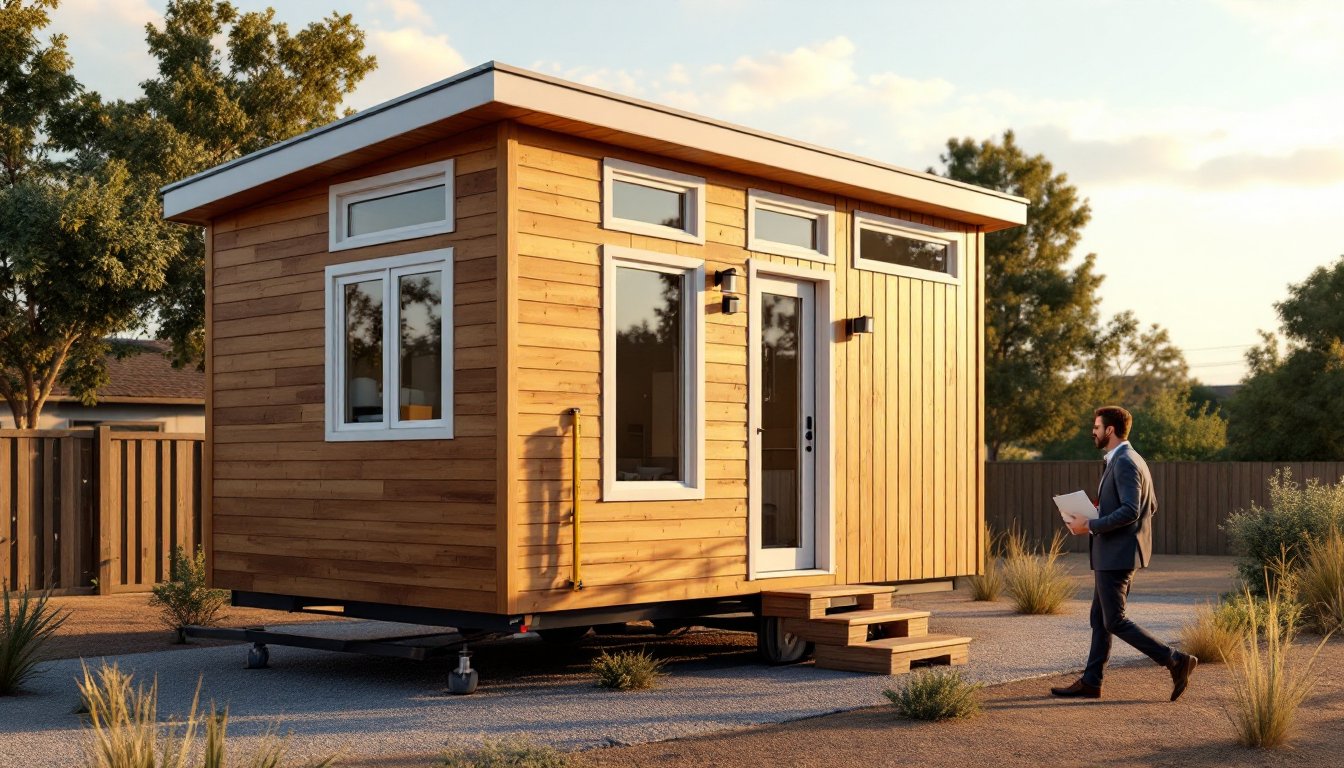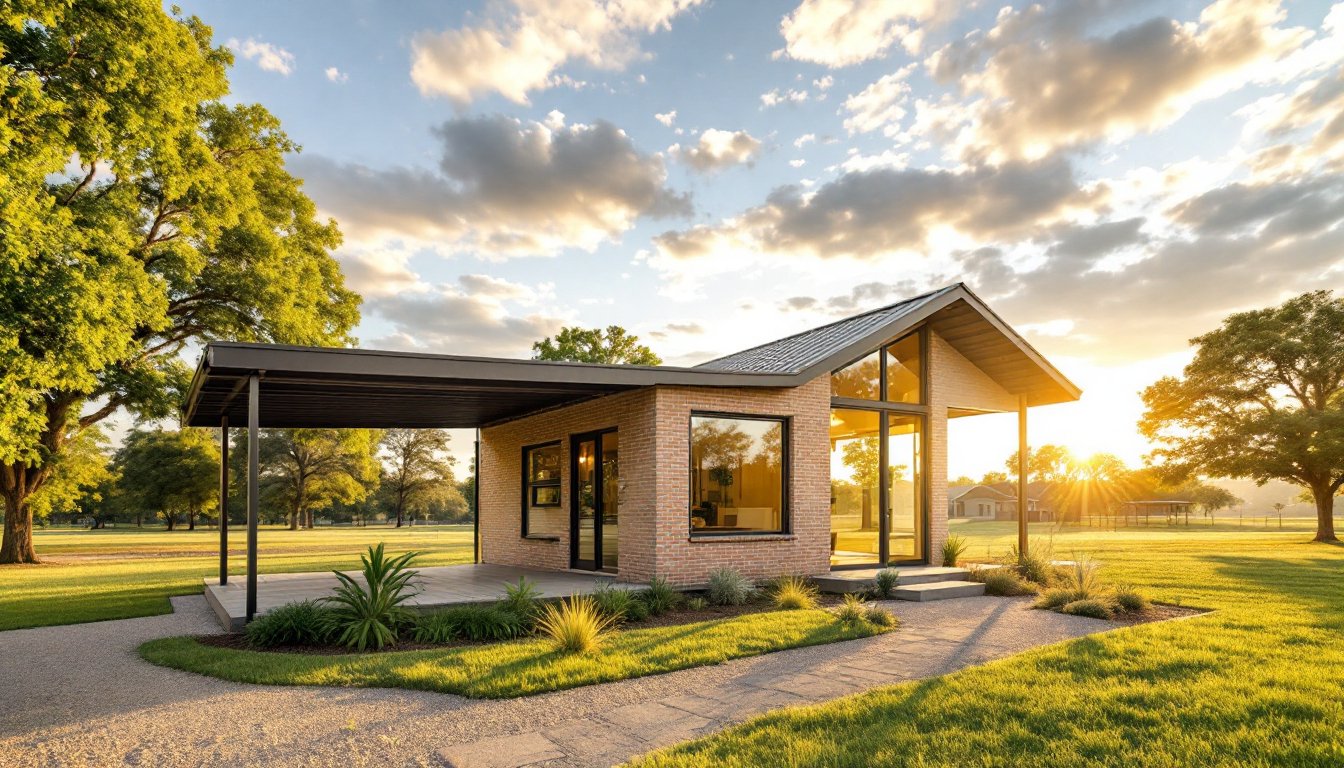
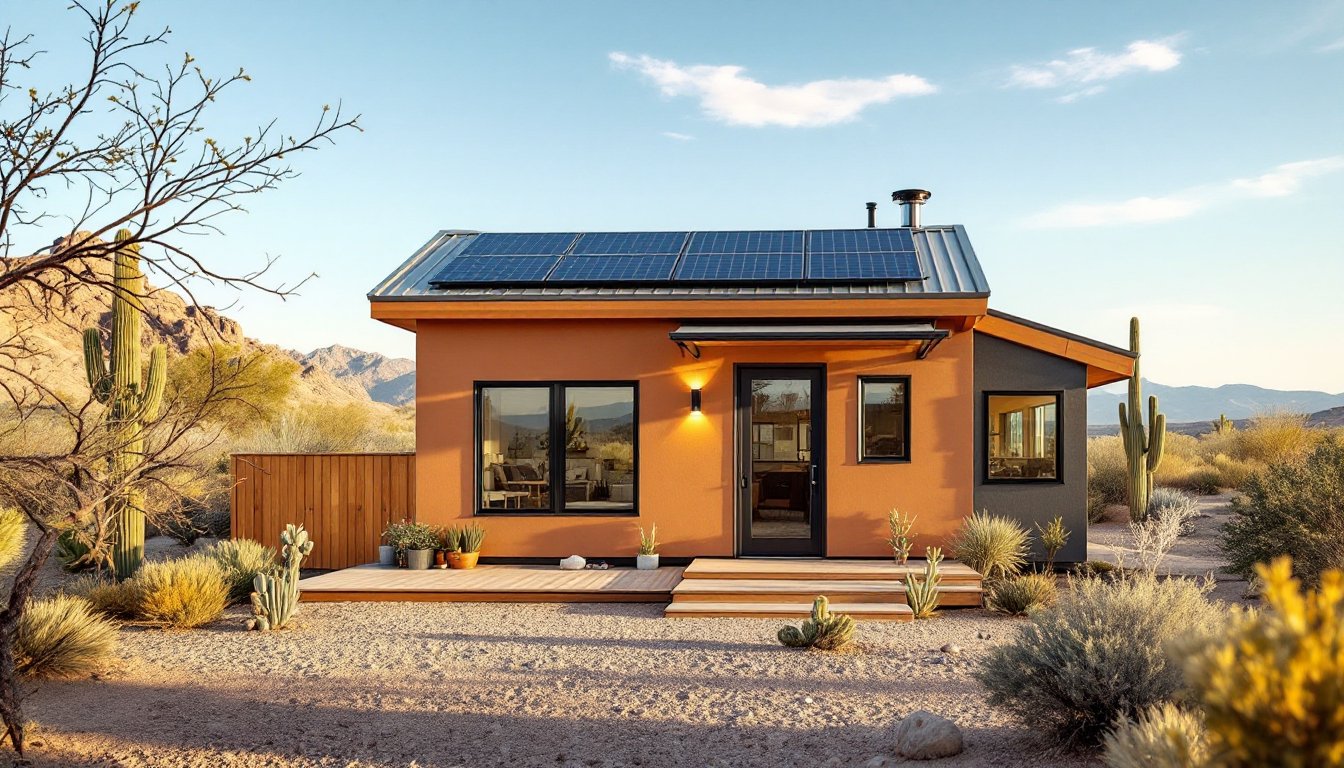
Arizona’s desert landscape and year-round sunshine make it an increasingly attractive destination for tiny home enthusiasts seeking affordable, sustainable living. Whether you’re downsizing for retirement, looking to reduce your environmental footprint, or simply want to escape the rising costs of traditional housing, tiny homes in Arizona offer a compelling solution. The state’s booming tiny home market combines favorable regulatory conditions, a thriving builder community, and a lifestyle that embraces minimalism. This guide walks you through everything you need to know about finding, financing, designing, and living in a tiny home in Arizona.
Table of Contents
ToggleKey Takeaways
- Tiny homes in Arizona typically cost $100,000–$250,000, dramatically less than conventional homes, with monthly utility bills dropping to $30–$80 when equipped with solar panels.
- Arizona’s progressive regulatory environment, including ADU allowances and specific tiny home ordinances in cities like Tempe and Flagstaff, makes permitting easier than in most states.
- Financing tiny homes in Arizona works best through construction loans, credit unions, or builders offering in-house financing, since traditional mortgages and FHA loans often exclude small properties.
- Arizona’s climate enables energy-efficient design through passive solar heating, strategic ventilation, and solar systems backed by 300+ annual sunny days, reducing long-term living costs.
- Storage in tiny homes requires engineered solutions like built-in cabinetry, vertical shelving, and multi-functional furniture to maximize functionality in compact spaces.
- Desert-specific design considerations—including proper roof overhangs, light exterior colors, stucco siding, and dual-flush toilets—ensure tiny homes in Arizona thrive in the arid climate while conserving water.
Why Arizona Is Becoming the Tiny Home Capital of America
Arizona’s reputation as a tiny home hub stems from several converging factors: abundant land, a growing population of retirees and remote workers, and a culture that values practical, cost-conscious living. The state offers year-round building seasons, eliminating weather delays that plague northern projects. Real estate prices, while climbing, remain significantly lower than coastal states, making land acquisition more achievable.
The tiny home movement also aligns with Arizona’s environmental consciousness. Water conservation and energy efficiency, critical in desert climates, are built into most tiny home designs. Solar installation costs have dropped, and Arizona’s 300+ sunny days annually make solar systems genuinely cost-effective. Communities like Prescott, Flagstaff, and areas around Phoenix increasingly welcome tiny home communities, reflecting broader acceptance of alternative housing.
Affordable Living in a Sunny Climate
Affordability is the primary draw. A quality tiny home on a permanent foundation in Arizona typically costs $100,000–$250,000, compared to $400,000+ for a conventional home in many regions. Monthly utility bills drop dramatically: a well-designed tiny home with solar panels can cost $30–$80 per month for electricity in Arizona, versus $150+ for larger homes.
The sunny climate simplifies design: passive solar heating requires minimal supplemental heat in winter, and strategic ventilation reduces summer cooling loads. These aren’t luxuries, they’re built-in efficiency gains. Beyond the financial angle, many Arizona residents discover that tiny living aligns with a lifestyle preference for simplicity and community, particularly in tiny home communities that dot the state.
Arizona’s Regulatory Environment for Tiny Homes
Arizona’s regulatory landscape is unusually progressive for tiny homes. Unlike states that restrict minimum house sizes, Arizona allows ADUs (accessory dwelling units) on primary residential lots in many jurisdictions, and several municipalities have adopted specific tiny home ordinances.
Key regulations vary by county and city, so verification with your local planning department is non-negotiable. Maricopa County, Pima County, and progressive towns like Tempe and Flagstaff have clearer pathways for tiny home placement. Most require that permanent tiny homes meet standard building codes, IRC (International Residential Code) standards apply to foundation, electrical, plumbing, and structural requirements, same as conventional homes.
Mobile tiny homes on wheels fall into a gray zone: some jurisdictions allow them on residential lots: others restrict them to RV parks. If you’re considering a THOW (tiny house on wheels), confirm zoning rules before purchasing. Permitted communities often streamline approvals, making them an easier entry point for first-time tiny home buyers. Always budget 2–4 months for permitting and inspections, even in favorable jurisdictions.
Finding and Financing Your Arizona Tiny Home
Arizona’s tiny home market has matured enough that you’ll find options through conventional channels: real estate agents familiar with the segment, dedicated tiny home builders, and online marketplaces. Builders like Indigo River Tiny Homes operate in Arizona and specialize in site-built tiny homes, offering customization and local expertise. Tiny Home Tours: Discover options that showcase Arizona properties firsthand.
Financing remains the trickiest part. Traditional mortgages work for permanent-foundation tiny homes if the lender will finance it (some have minimum loan amounts or hesitate on small properties). FHA loans require homes to be at least 400 square feet, ruling out many tiny homes. Your best bets: construction loans during building, then conversion to a mortgage once complete: personal loans or home equity lines if you have existing property: or cash purchase.
Credit unions often have more flexible tiny home lending than banks. Some builders offer in-house financing. If buying used, expect cash, personal loans, or niche lenders specializing in alternative housing. Costs vary widely: land in rural Arizona ($40,000–$100,000), construction ($150,000–$250,000), and final build totals depend on materials, labor, and finishes. Don’t forget closing costs, surveys, and inspections, they add 5–10% to your total budget.
Designing and Customizing Your Arizona Tiny Space
Designing a tiny home isn’t downsizing a conventional floor plan, it’s reimagining how you live. Arizona’s tiny homes typically range from 300–600 square feet, and intentional layout is everything. Most successful designs use open living areas, minimize hallways, and leverage vertical storage. Loft bedrooms are common, though not ideal if you have mobility concerns or want alternative sleeping arrangements.
Layout decisions depend on your lifestyle. If you work from home, a dedicated office nook or closet-office is essential: if you entertain rarely, a smaller kitchen table works. Customization options include material choices (metal, wood, or hybrid siding), roof styles (pitched or flat), and finishes. Portable Tiny Homes: The offer flexibility for those who value mobility, while fixed homes allow deeper customization.
Smart Storage and Layout Solutions
Storage in tiny homes isn’t an afterthought, it’s engineered into every wall. Built-in cabinetry under stairs, wall-mounted shelving, and multi-functional furniture (beds with drawers, ottomans with storage) multiply usable space. Many Arizona tiny homes feature 1–2 inches of wall thickness dedicated to storage cavities. Kitchen efficiency depends on appliance selection: standard-depth refrigerators, compact ranges, and drawer dishwashers fit smaller footprints without sacrificing function.
Résources like Real Simple offer practical tips on organizing compact living spaces. Vertical thinking (floor-to-ceiling cabinets, wall-mounted desks, hanging storage) maximizes every inch. Bathroom storage is critical: medicine cabinets, under-sink drawers, and wall niches prevent clutter. Open shelving looks spacious but demands discipline: if you prefer hidden storage, closed cabinetry maintains visual calm in tight quarters.
Arizona-Specific Design Considerations
Arizona’s climate shapes design decisions in concrete ways. South-facing windows benefit from shading: awnings, pergolas, or window film reduce cooling loads without blocking light. Proper roof overhang (18–24 inches) is standard in Arizona design, it provides passive solar benefit in winter while shading windows in summer. Ventilation matters: whole-house exhaust fans pull cool air through at dawn and dusk, reducing AC reliance during shoulder seasons.
Material durability in the desert is real. UV exposure fades exterior stain and paint faster than elsewhere: premium finishes justify their cost. Stucco or metal siding outperform wood in Arizona’s dry climate. Inside, radiant barriers in attics or reflective roof coatings reduce summer heat gain significantly. Water conservation isn’t optional, dual-flush toilets, low-flow fixtures, and rainwater catchment systems are practical, not trendy. Curbed regularly covers Arizona’s architectural innovations and climate-responsive design trends worth following.
Interior color and materials also respond to heat: light colors reflect warmth better than dark finishes. Natural materials like concrete polished floors or tile stay cooler underfoot and age well in dry climates. Some Arizona tiny homes integrate outdoor living (covered porches, patios) as functional extensions of interior space, a 200-square-foot patio effectively adds living area without expanding the footprint.