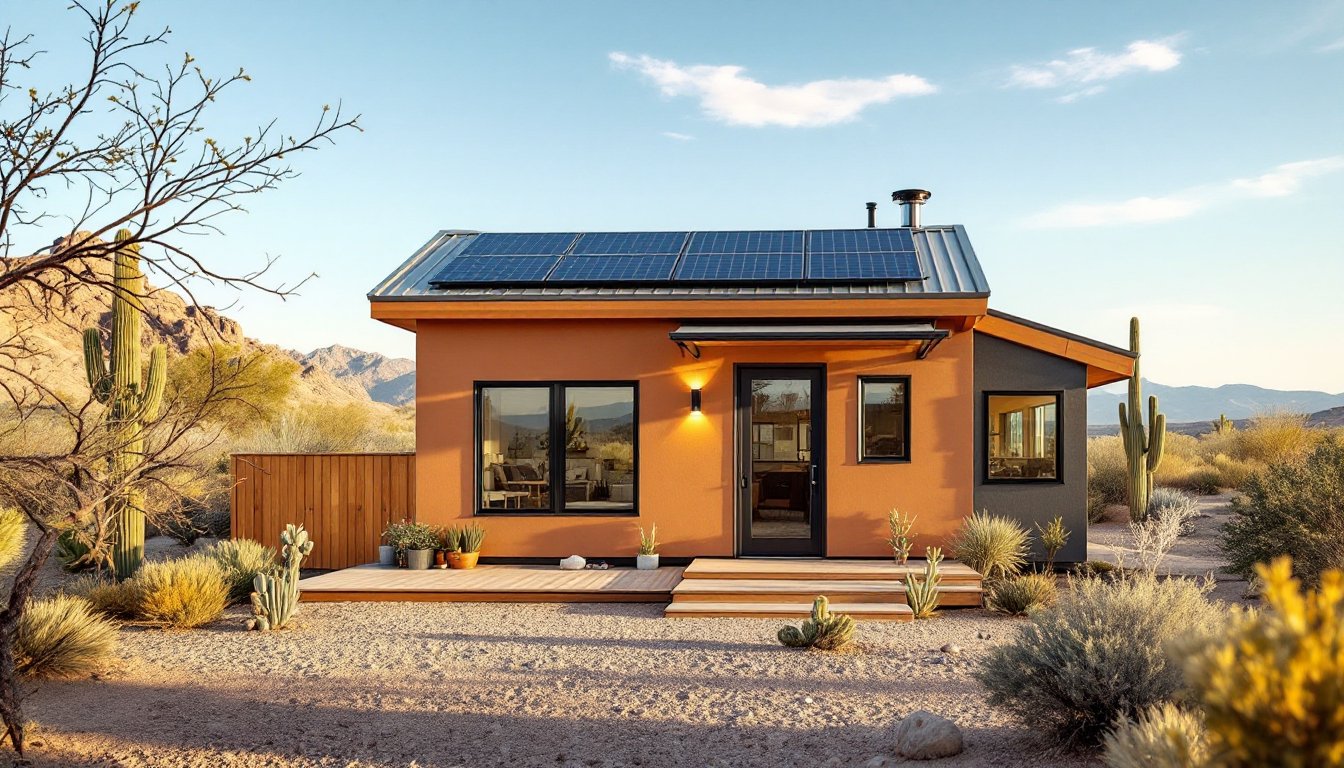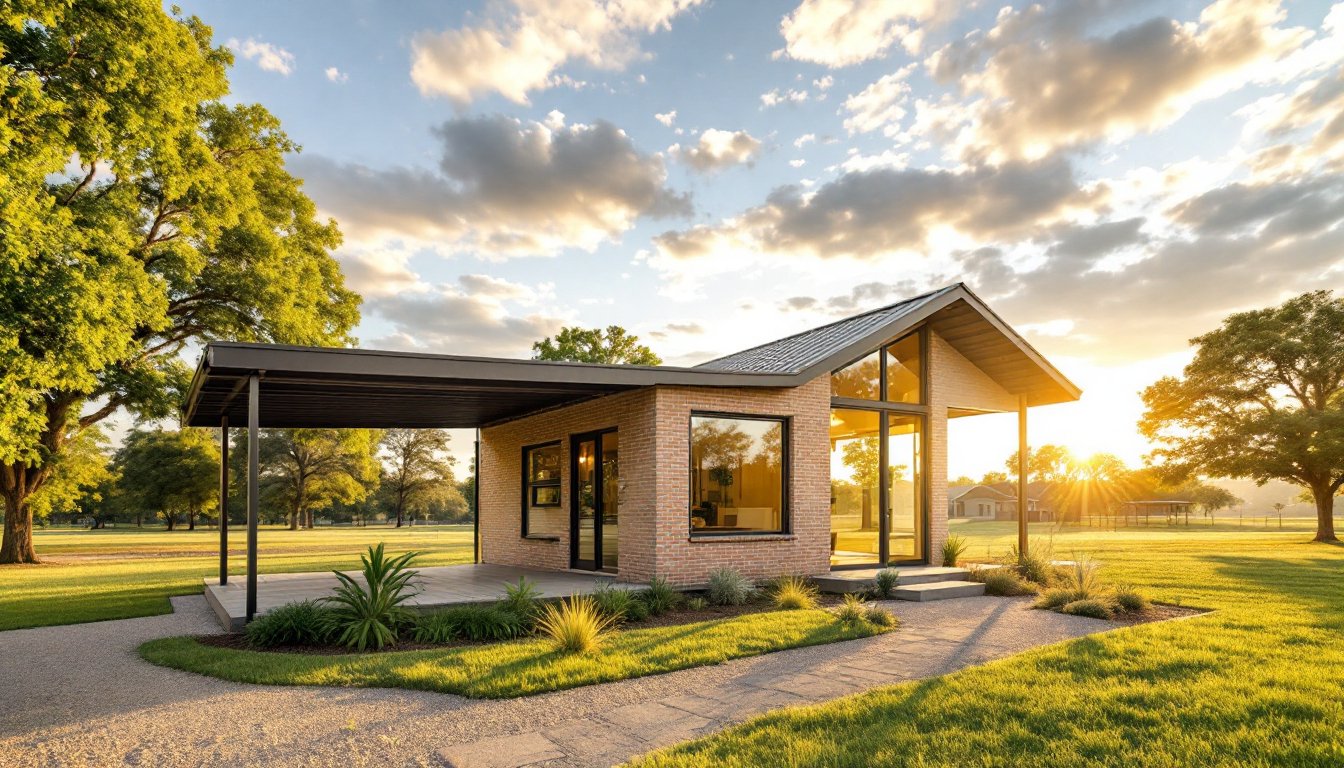
Tiny houses have shifted from niche alternative to legitimate housing solution. If you’re exploring a tiny house purchase, you’re not alone, more buyers are discovering that smaller footprints mean lower mortgages, reduced maintenance headaches, and genuine lifestyle simplification. But buying a tiny house isn’t the same as purchasing a traditional home. The financing routes are narrower, zoning restrictions are stricter in most areas, and the inventory differs dramatically from conventional markets. This guide walks you through the realities of tiny house buying in 2026, covering everything from evaluating options and securing financing to navigating legal hurdles and avoiding common pitfalls.
Table of Contents
ToggleKey Takeaways
- Tiny house financing differs significantly from traditional mortgages—mobile units typically require chattel or RV loans with higher interest rates, while site-built homes may qualify for standard mortgages if they meet local building codes.
- Zoning restrictions are the primary legal barrier when buying a tiny house; verify with your local planning department in writing that your specific home type is permitted before making any purchase offer.
- Professional home inspections are non-negotiable for tiny homes due to their compact construction and hidden moisture problems—poor insulation and thin walls can mask expensive structural issues.
- New tiny homes cost $80,000–$200,000 with longer lead times (6–18 months), while used units may offer better value but require thorough evaluation of mechanical systems and previous water damage history.
- Start financing conversations early with portfolio lenders, credit unions, and community banks that specialize in unconventional properties, as national lenders often decline tiny house mortgages.
- Hiring a real estate attorney familiar with tiny homes ($500–$1,500) protects you against purchasing an unloanable or unresalable property when zoning and legal status are unclear.
Understanding the Tiny House Market and Your Options
The tiny house market has matured considerably since the movement’s early days. You’ll find established builders, certified pre-owned units, and growing inventory in many regions. The market offers real choices now, but it also requires real assignments.
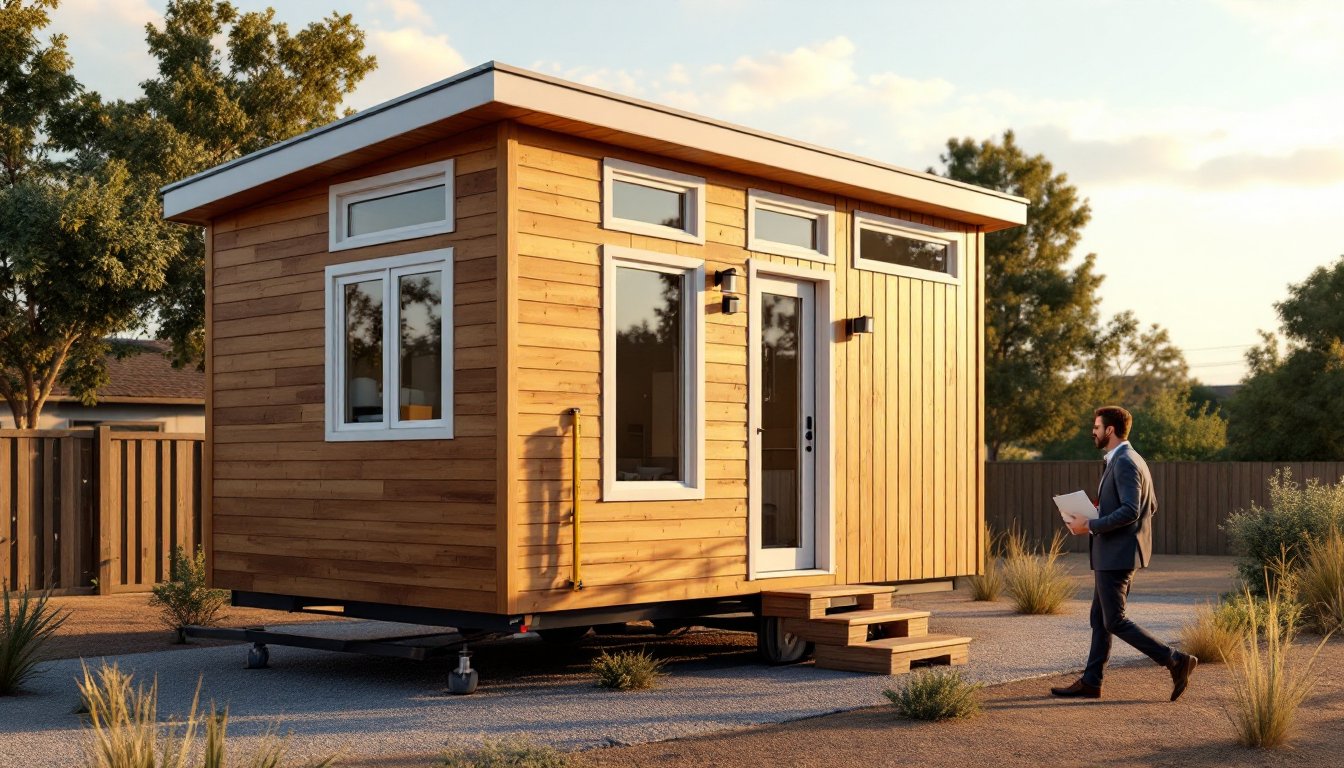
Tiny houses typically range from 400 to 1,200 square feet, though some clock in under 300 square feet. Trailers, container homes, and site-built tiny structures dominate the market. Each type has distinct financing, insurance, and zoning implications. A mobile tiny house on a trailer may qualify for RV or personal property loans rather than mortgages, while a permanent foundation tiny home often qualifies for standard home loans, but not always.
New vs. Used Tiny Homes: What to Expect
New tiny homes come with builder warranties and modern systems, but prices reflect that. Expect to pay $80,000 to $200,000 depending on square footage, finishes, and builder reputation. Lead times can stretch six to eighteen months. Used tiny homes may offer better value if well-maintained, though you inherit whatever wear and tear the previous owner left behind. Inspect mechanical systems, appliances, and the foundation or trailer frame thoroughly, these repairs get expensive fast in tight spaces.
When evaluating used units, check insulation quality and water damage history carefully. Tiny homes are often owner-built or custom-constructed, meaning quality varies wildly. Get a professional home inspection: don’t skip this step. Wooden framing and thin walls can hide moisture problems that become catastrophic. The Tiny House Movement has grown partly because people want intentional, efficient living, but poor construction defeats that purpose entirely.
Financing Your Tiny House Purchase
Financing a tiny house is where reality diverges sharply from buying a conventional home. Traditional mortgage lenders often shy away from tiny homes because they don’t fit standard lending formulas and resale potential is harder to predict.
Loan Types and Lender Challenges
Traditional mortgages work for site-built tiny homes on permanent foundations in conventional neighborhoods. You’ll need strong credit (usually 640+), a solid down payment (10–20%), and the property must meet local building codes and pass appraisal standards. Appraisals are a frequent sticking point: appraisers trained on conventional homes struggle to value compact properties fairly.
Personal property loans or chattel loans finance mobile tiny homes treated as vehicles rather than real estate. These come with higher interest rates (often 8–12%) and shorter terms (10–15 years) than mortgages. Monthly payments are steeper, but qualification is easier. Some credit unions and online lenders specialize in chattel financing.
RV loans apply to trailer-based tiny homes registered as recreational vehicles. Interest rates are comparable to chattel loans, but lenders are more plentiful and approval is faster. The trade-off: you’re financing personal property, not building equity in real estate.
Portfolio lenders or local/regional banks sometimes hold mortgages in-house rather than selling to Fannie Mae or Freddie Mac. They’re more flexible on unconventional properties. Call community banks and credit unions directly, they know local market conditions and may take on tiny house mortgages that national lenders won’t touch.
Start conversations with lenders early. Ask point-blank whether they finance tiny homes, what documentation they need, and what appraisal challenges you might face. Get pre-approval letters in writing before you make offers. The financing landscape is tighter than conventional home buying, so knowing your options before house hunting saves time and disappointment.
Finding and Evaluating Tiny House Properties
Finding tiny houses requires more legwork than scrolling Zillow. Mainstream real estate sites list some, but many transactions happen through specialized marketplaces, builders directly, or word-of-mouth.
Dedicated platforms like Tiny House Listings, Movable Roots, and Tinyhomebuilders.com catalog inventory nationwide. These sites let you filter by location, price, and home type, critical since “tiny house” means different things in different markets.
Builders and custom fabricators often maintain waitlists. If you’re willing to wait, commissioning a build lets you specify systems, layouts, and finishes. Regional builders may offer better value than national brands: research local craftspeople.
Once you’ve found candidates, schedule in-person visits if possible. Photos hide problems and scale. Walk through the home, test appliances, check ceiling height clearance, and open every cabinet and closet. In compact spaces, storage and workflow matter intensely. If you’re tall, head height in sleeping lofts is non-negotiable.
Measure utilities and systems access carefully. Where’s the water heater? The electrical panel? Can you reach the HVAC filters without contortion? Poorly accessible mechanicals mean expensive service calls in the future. Check insulation around windows and corners: feel for drafts. Inspect wall and ceiling integrity for water stains or soft spots.
Request inspection reports from the builder or previous owner. If none exist, invest in a professional inspection immediately. Structural issues, foundation cracks, or roof leaks in a 500-square-foot home affect your entire living space, they’re not minor problems. Modern construction sites like Real Simple offer home maintenance checklists that apply to tiny homes too, focusing on identifying hidden damage before purchase.
Legal and Zoning Considerations Before You Buy
This is where many tiny house buyers stumble. A beautiful, affordable tiny home means nothing if local zoning doesn’t allow it on your chosen land.
Zoning laws vary dramatically by jurisdiction. Some municipalities ban ADUs (accessory dwelling units) entirely. Others allow tiny homes only on minimum acreage. Still others permit mobile tiny homes in RV parks but not on residential lots. Before you fall in love with a property, confirm that placing your specific home type there is actually legal.
Contact the local planning department directly. Ask about minimum lot size, minimum square footage requirements (many are 1,000+ square feet), setback requirements, and whether your home type, trailer, container, or site-built, is permitted. Get written confirmation. Verbal reassurance from a realtor isn’t enough: zoning changes or gets enforced unevenly.
Building permits and inspections are mandatory for site-built tiny homes and often required for trailer placement. Plan for permit costs ($500–$2,000+) and inspection timelines. Some jurisdictions embrace tiny homes: others create bureaucratic friction that delays approval by months.
Foundation and utilities add legal layers. Permanent foundations may trigger different permitting than mobile setups. If you’re connecting to municipal water and sewer, expect inspections. Private wells and septic systems require health department approval, and may not be permitted in all locations. These costs aren’t trivial and vary wildly by location.
HOA restrictions often prohibit tiny homes or mobile structures. Read CC&Rs carefully if the property is in a planned community. Some HOAs won’t grant architectural approval, no matter what.
Financing and legal status intertwine here too. If your tiny home is on a trailer, you can’t get a traditional mortgage, the lender won’t accept land plus a mobile asset as real property collateral. If local zoning forbids your home type, no lender will finance it because resale would be impossible. Address zoning and legal status before making offers. The tiny house market has grown partly because regulations are loosening, but you’re still navigating patchwork rules. Hire a real estate attorney familiar with tiny homes if you’re uncertain: the cost ($500–$1,500) is cheap insurance against buying an unloan-able, unresalable property.
Conclusion
Buying a tiny house is entirely feasible in 2026, but it demands more diligence than conventional home buying. Understand your financing options before shopping, evaluate properties carefully for hidden damage, and nail down zoning legality before signing anything. The smaller price tag and reduced maintenance are real benefits, but only if you do the assignments upfront. Start with lenders, consult local planning departments, and schedule professional inspections. A well-executed tiny house purchase delivers genuine financial relief and lifestyle simplicity: a rushed one leaves you with a difficult-to-sell asset and buyer’s remorse.