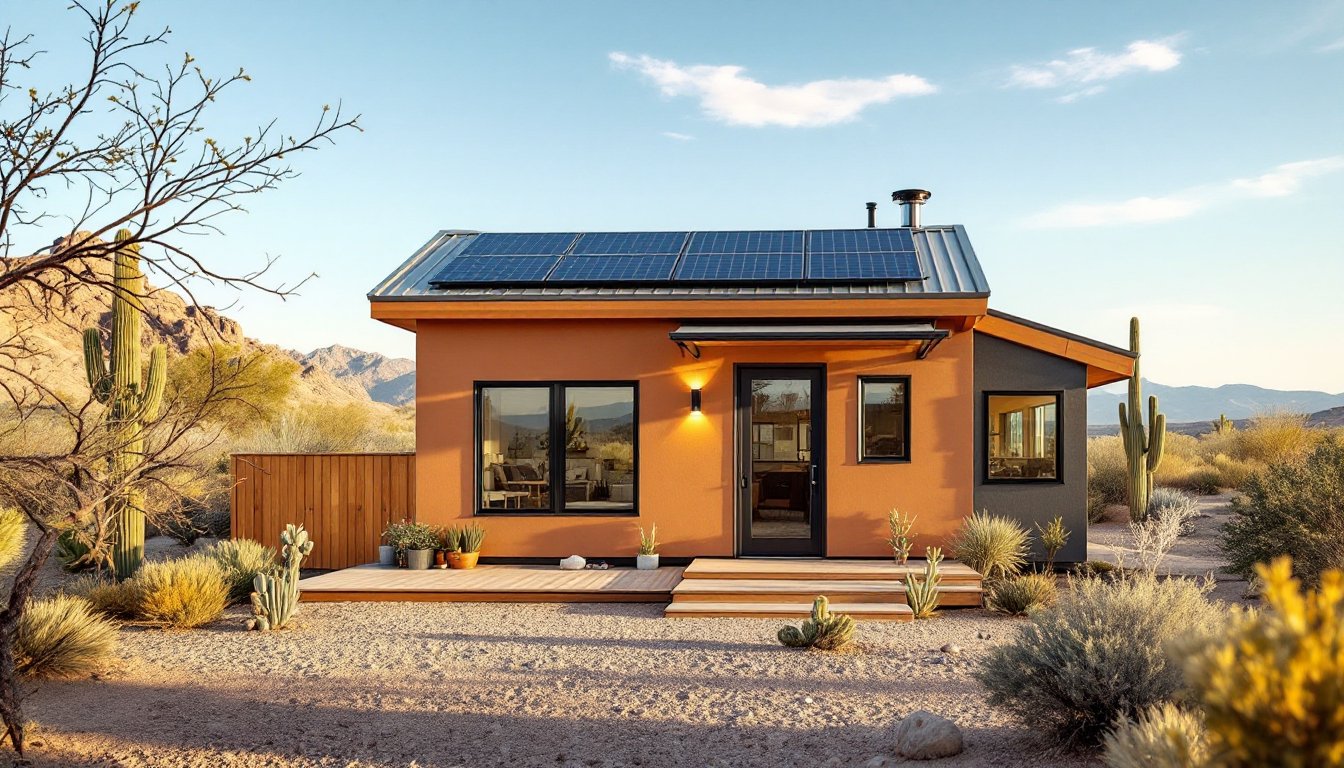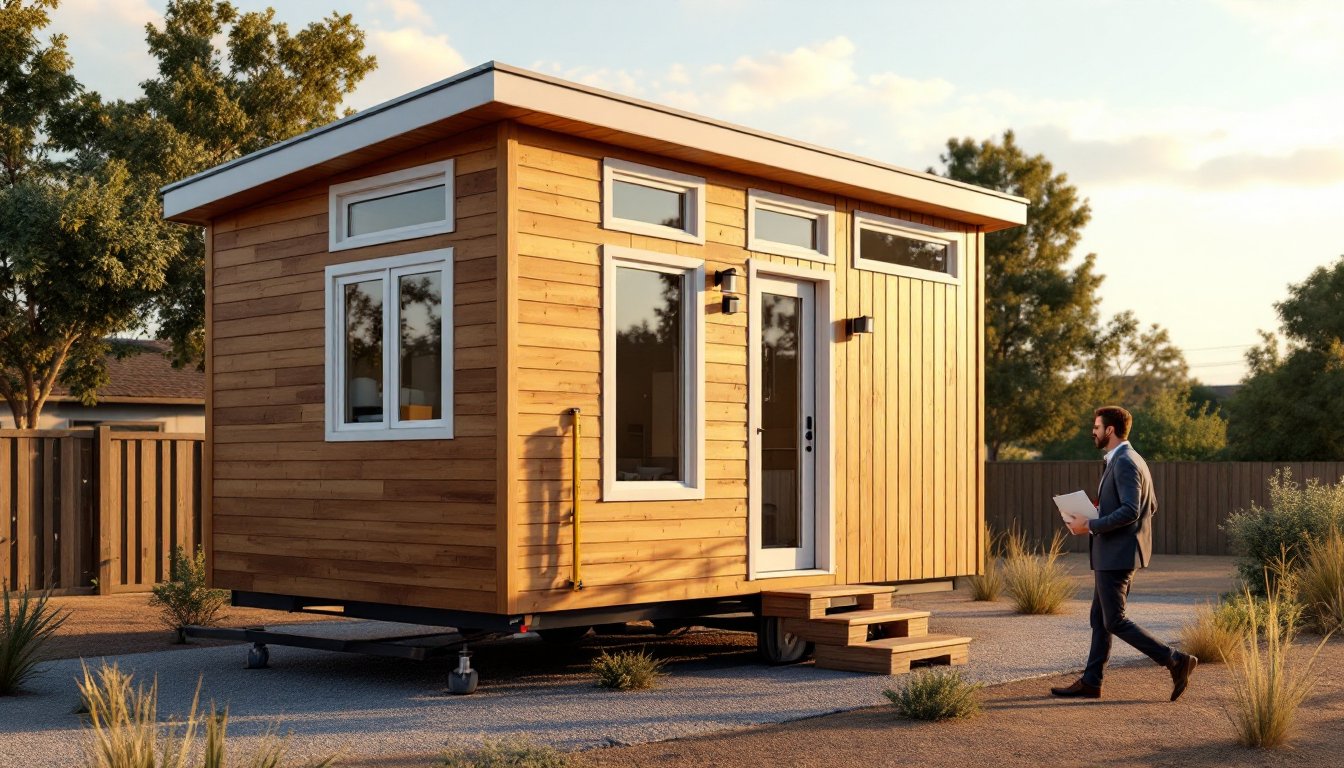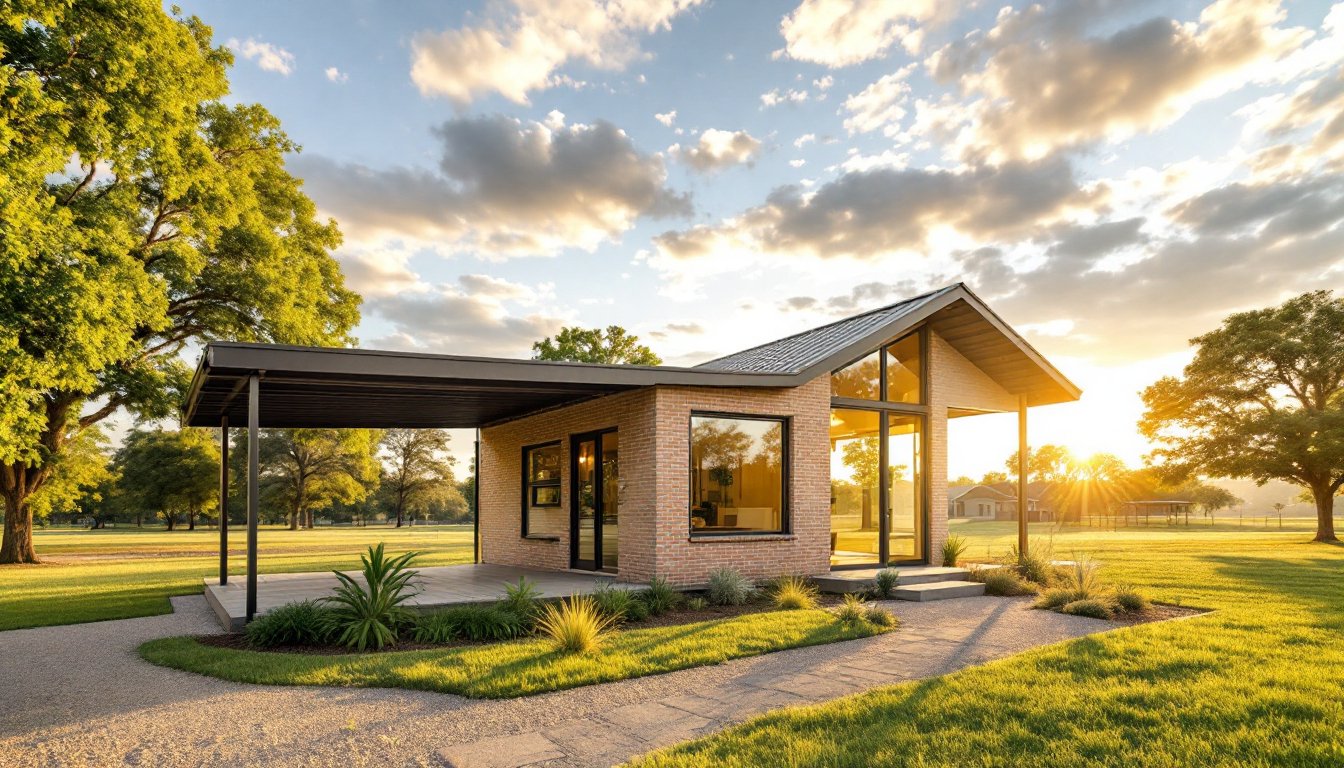
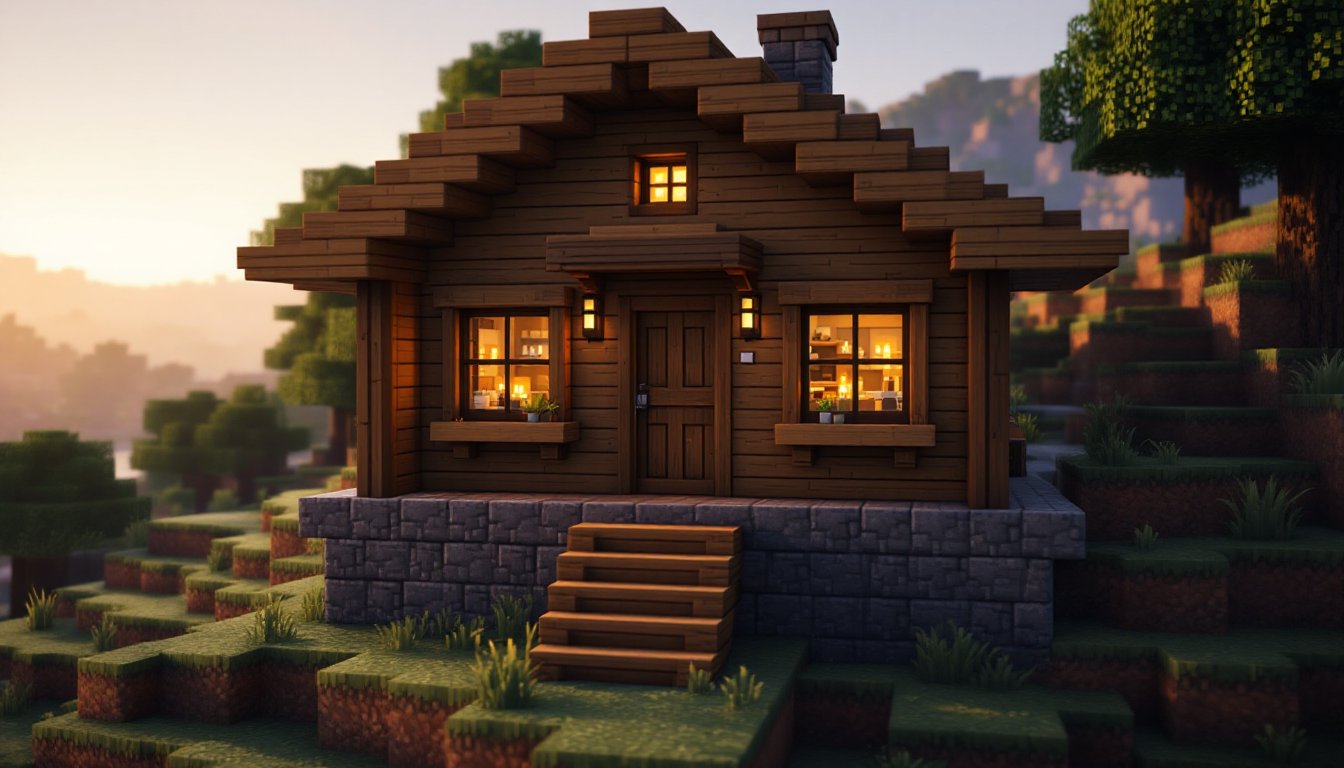
Building a tiny house in Minecraft is a rewarding challenge that forces creative problem-solving and smart design choices. Whether you’re a builder looking to maximize limited resources or simply want to prove that functional beauty doesn’t require a massive footprint, tiny house builds teach discipline and efficiency. Unlike sprawling mansions that eat up hundreds of blocks, a well-designed tiny house in Minecraft demonstrates how thoughtful planning, clever layouts, and strategic material choices create a space that feels complete and intentional. This guide walks through the principles, step-by-step process, and interior solutions that make tiny Minecraft houses not just livable, but genuinely satisfying to inhabit.
Table of Contents
ToggleKey Takeaways
- A tiny house in Minecraft on a 7×10 to 10×10 footprint is resource-efficient, completed faster, and teaches valuable design discipline through smart constraint-based creativity.
- Maximize tiny house space using vertical layouts, built-in furniture, open floor plans with defined zones, and strategic traffic flow rather than cramped compartmentalized rooms.
- Choose locations on hillsides, use 1–2 block stone foundations, add pitched roofs with overhangs, and position doors and windows off-center to create intentional, balanced aesthetics.
- Interior decoration should prioritize restraint with 2–3 primary blocks and accent materials, functional storage along walls, and distributed lighting sources that create warmth without visual clutter.
- Tiny house builds in Minecraft are perfect for testing new techniques, fitting naturally into survival worlds, and proving that complete, detailed spaces deliver more satisfaction than unfinished mega-projects.
Why Tiny House Builds Are Perfect for Minecraft
Tiny house builds in Minecraft offer unique advantages that larger structures don’t. First, they’re resource-efficient, fewer blocks mean faster completion and less material farming. A tiny house can be finished in a single play session, which keeps motivation high, especially for builders who struggle with scope creep on mega-projects.
Second, constraints breed creativity. When you’ve got limited space, every block must earn its place. You can’t hide bad decisions behind massive rooms or throw unnecessary details everywhere. This forces thoughtful material selection, intentional layouts, and clever storage solutions that make the final build genuinely impressive.
Third, tiny houses are perfect for testing new building techniques. They’re low-risk experiments with high visual impact. Try a new roofline style, experiment with a color palette, or practice detailing on a small scale. If it doesn’t work, you haven’t wasted weeks of construction time.
Finally, tiny houses fit naturally into survival worlds and multiplayer communities. Tight-knit villages feel authentic, and a cluster of small homes is more immersive than isolated mega-bases scattered across the map. They also leave plenty of room for exploring, farming, and expanding without dominating the landscape.
Essential Design Principles for Minecraft Tiny Homes
Maximizing Space With Smart Layouts
A functional tiny house layout starts with understanding vertical space. Most tiny houses work best in a 7×7 to 10×10 footprint, but you can stack functions vertically to fit everything needed. Sleeping areas often sit on lofts or second floors, freeing ground-level space for cooking, crafting, and gathering.
Use built-in furniture rather than standalone pieces. A bed frame becomes a bench with storage underneath. Crafting tables double as dining surfaces when positioned correctly. Wall-mounted furnishings, shelves, cauldrons, and brewing stands, eat minimal floor space while keeping the interior organized.
Open floor plans work better than small rooms. One large interior space with clear zones (sleeping, working, storage) feels less cramped than dividing the footprint into multiple enclosed rooms. Define zones with flooring changes, half-walls, or subtle elevation shifts rather than full barriers.
Consider traffic flow. Doors and passages shouldn’t force you to weave through functional zones every time you enter. A centrally placed crafting table that everyone passes is inconvenient: tuck it against a wall or in a corner instead.
Choosing the Right Location and Foundation
Location affects how a tiny house sits in the landscape. Placing a house on a slope or hillside creates natural elevation changes that make the structure feel more integrated. A house built into a hillside saves exterior wall material and looks intentional rather than dropped randomly on flat terrain.
Foundation choice matters for visual impact. A stone foundation of 1–2 blocks high gives the structure weight and protects against mobs. Wood pilings work for forest or swamp settings but require platform underpinning. Dirt or grass foundations look unfinished and should be avoided unless intentionally minimal.
Orientation affects both aesthetics and function. Face the house toward scenic views or important facilities (farms, mining entrance, community hub). Position the door to catch morning light if possible, it feels warmer and more inviting than an entrance shadowed all day. Tiny houses benefit from intentional sight lines: they’re often the first impression visitors get of your base.
Step-by-Step Building Process for Your Tiny House
Step 1: Establish the Footprint
Mark out your 7×10 or 8×8 space with blocks. This visual boundary keeps you honest about scale and helps you plan interior layouts before committing to walls. Double-check that the foundation is level: use scaffolding or temporary blocks to build up uneven ground.
Step 2: Build the Foundation and Walls
Create a 1–2 block high foundation using stone, bricks, or wood. This base prevents mobs from spawning directly under your house and visually grounds the structure. Walls should be 5–6 blocks tall for ceilings that don’t feel cramped. Use primary materials (oak, dark oak, stone brick) and add secondary details (logs, stairs, slabs) to break monotony.
Step 3: Create the Roof
Simple pitched roofs work best for tiny houses. Use stairs and slabs to create angles rather than flat tops. Overhangs (1–2 blocks) protect walls from rain and cast shadows that add depth. A gable end (peaked roof peak) looks more intentional than a simple slope and is easier to detail.
Step 4: Cut Windows and Doors
Windows bring light and visual interest. 6–8 block-wide windows are proportional to a small house. Surround them with frames (logs or darker trim) to make them pop. Position doors off-center slightly, dead-center doors can look static. Use door frames with steps or trapdoors above to suggest an awning or porch.
Step 5: Interior Framing
If you’re adding a loft or second floor, place support beams (logs or pillars) at corners. For a 8×10 interior, one central pillar or two corner supports are usually enough. Avoid overcomplicating the interior structure, simplicity makes the space feel larger.
Step 6: Test Sight Lines
Load the world and walk around the house from all angles. Does it feel balanced? Do the proportions look right? Are there awkward blank walls? Make adjustments now before detailing eats up building time. Many builders get caught up in detail and forget to step back and check overall aesthetics.
Builders often reference free DIY furniture plans and step-by-step tutorials for inspiration on compact designs that translate well to Minecraft’s blocky constraints.
Interior Decoration and Storage Solutions
Interior decoration in a tiny house requires restraint. Don’t overcrowd the space with every decorative block available. A few intentional details beat a cluttered interior. Use carpets, banners, and paintings sparingly to add warmth without visual noise. A single well-placed painting draws the eye: four paintings in the same room create chaos.
Storage solutions must be functional first, decorative second. Barrels, chests, and shelves serve practical purposes while fitting small footprints. Arrange them along walls rather than floating in the center. Smokers and furnaces double as both cooking tools and décor if positioned visibly.
Lighting is crucial in tight spaces. Lanterns, candles, and wall-mounted light sources prevent mobs from spawning while keeping the interior warm. Avoid harsh overhead lighting: distribute sources around the room for ambient warmth. A fireplace, even a small one with a netherite block and soul fire, adds coziness that disproportionately improves the atmosphere.
Color coordination matters. Pick 2–3 primary blocks and 2–3 accent materials. A house built from oak planks with dark oak trim and stone floors looks coherent. Mix in too many materials and the eye doesn’t know where to focus. Tiny houses especially benefit from this restraint because visual clutter makes them feel smaller.
Furniture arrangement should suggest function without cluttering space. A crafting table with a barrel nearby, a furnace with a cauldron beside it, a bed with a nightstand chest, these pairings tell a story and organize the interior logically. A well-designed tiny home floor plan applies principles that work equally well in Minecraft, where every square block counts just as much as every square foot in real life.
Consider adding small details that signal purpose: a bookshelf in a study nook, a composted and flower pots for a plant corner, or a bell hung above a central meeting area. These details cost minimal resources but dramatically increase the sense of intentionality and livability.
Conclusion
Building a tiny house in Minecraft teaches valuable design discipline. Constrained spaces force intentional choices, clever layouts maximize function, and thoughtful details create atmosphere without waste. The goal isn’t to prove you can build something impressive, it’s to prove you can build something complete. A finished tiny house, fully detailed and properly furnished, stands as a more satisfying achievement than an unfinished manor. Start small, plan carefully, and let the constraints guide your creativity. The result will be a space worth living in, whether in Minecraft or as inspiration for understanding the broader tiny house movement that values intentional living over excess.