
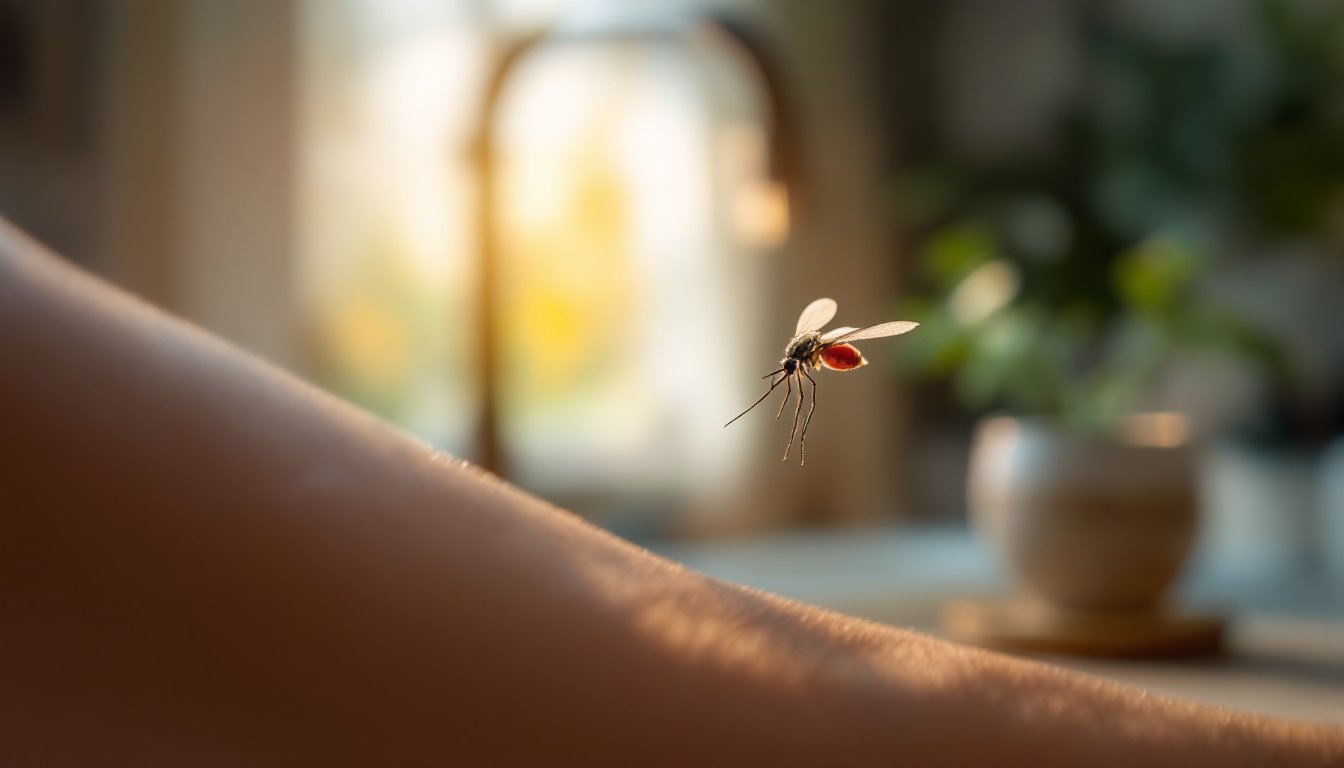
Finding tiny mosquitoes buzzing around your home is frustrating, and a sign something’s off. Unlike their outdoor cousins that make dramatic entrance attempts at windows, indoor mosquitoes are often smaller, quieter, and harder to spot until you’ve got a swarm. The good news: identifying what’s actually in your house and stopping them at the source is entirely doable. This guide walks you through recognizing these pests, removing existing colonies, and keeping them from coming back. Whether you’re dealing with a few stragglers or a genuine infestation, understanding where they breed and how they enter is half the battle.
Table of Contents
ToggleKey Takeaways
- Tiny mosquitoes in your house breed in as little as seven days in minimal standing water, so eliminating even small puddles in plant saucers, pet bowls, and bathroom areas is critical to breaking their reproductive cycle.
- Identify mosquitoes by their distinctive long, thin body, six long legs, needle-like proboscis, and straight resting posture—distinguishing them from gnats, fruit flies, or drain flies that require different treatment approaches.
- Seal window screens, door gaps, and ventilation openings while reducing indoor humidity below 50% to prevent tiny mosquitoes from entering and thriving in your home.
- Use immediate removal methods like electric bug zappers, soapy water traps, or pyrethrin-based sprays for active adults, while addressing breeding sites through drain cleaning and moisture control for lasting results.
- Run exhaust fans and dehumidifiers in damp areas like basements and bathrooms to eliminate the humid environment where tiny mosquitoes and their larvae develop and survive.
- If mosquitoes persist despite preventive efforts, hire a professional pest inspection to identify hidden breeding sources like condensation pooling or roof leaks that you may have missed.
Why Tiny Mosquitoes Appear Indoors
Mosquitoes don’t just show up by accident. They’re hunting for two things: blood and standing water. Indoor mosquitoes typically enter through gaps around windows, doors, screens, or ventilation openings, especially during warmer months when populations boom. Once inside, they’re attracted to areas where moisture collects: bathroom drains, sink overflows, planters, pet water bowls, or anywhere humidity lingers.
The smaller species you might notice are often Culex or Aedes mosquitoes, which thrive in minimal water. A quarter-inch of stagnant water in a saucer or flower pot is enough for them to lay eggs and complete their life cycle in as little as seven days. This is why prevention matters so much, one overlooked puddle becomes dozens of adults within a week.
Damp basements, laundry rooms, and poorly ventilated bathrooms are common breeding hotspots. If you’ve got standing water indoors (intentional or accidental), mosquitoes will find it and set up shop. Understanding this biology is crucial: you’re not just fighting the adults you see: you’re breaking an entire reproductive cycle.
How to Identify Mosquitoes and Similar Pests
Not every tiny flying insect in your house is a mosquito. Before treating the problem, confirm what you’re dealing with. Mosquitoes have a distinctive silhouette: a long, thin body, six long legs, and a needle-like proboscis (mouth) that extends forward. When resting, their body aligns in a straight line, and their wings fold flat. They’re typically 3–6mm long, though some species appear smaller.
Mosquitoes move differently than other small insects too, they land delicately and can hover briefly. Under bright light, you’ll notice their segmented abdomen and the fine scales along their wings (which give them a matte appearance). They’re also silent fliers compared to gnats or flies, which is why you might not hear them until they’re close.
Distinguishing Mosquitoes From Other Small Insects
Small flying insects in your home could be gnats, fruit flies, fungus gnats, or even midges, each requiring different strategies. Fungus gnats are much tinier (2mm) and move erratically in small clouds around soil and damp areas. According to resources on getting rid of gnats, they congregate near plant soil and drain areas, whereas mosquitoes are more dispersed and hunt near you.
Fruit flies have a rounder body, reddish-brown color, and hover near food or fermentation sites, decaying fruit, vinegar, or trash. They’re less interested in biting. Drain flies (also called moth flies) have fuzzy wings and a moth-like appearance, frequenting sink and shower drains specifically.
To confirm you’ve got mosquitoes, watch their behavior: Do they approach you? Do they land on skin or attempt to feed? Are they concentrated near stagnant water or damp surfaces, or near your kitchen? Mosquitoes are attracted to carbon dioxide, body heat, and humidity near humans. If you’re seeing bites or insects actively seeking you out, mosquitoes are the likely culprit. Use a magnifying glass or phone camera to examine a specimen up close, the long legs and proboscis are dead giveaways.
Quick Elimination Methods
Once you’ve confirmed mosquitoes are in your home, immediate action stops further breeding and population growth. Speed matters because each female can lay hundreds of eggs.
Immediate Removal Techniques
Start by eliminating all standing water inside your home. Check under sinks, inside plant saucers, pet water bowls, humidifiers, air conditioner drip pans, window sills after rain, and any low-lying surfaces that collect moisture. Empty these daily or keep them dry, mosquito larvae need water to develop, so removing it interrupts their lifecycle immediately.
For active adult mosquitoes, a battery-powered mosquito swatter or electric bug zapper is surprisingly effective and avoids chemical sprays indoors. You can also trap them: place a bowl of soapy water near a lamp at night, mosquitoes are attracted to light and the soap breaks the water’s surface tension, causing them to sink. Cup traps or sticky traps (designed for flying insects) work similarly.
If you need chemical intervention indoors, use a pyrethrin-based indoor insect spray (available at hardware stores). Follow label instructions carefully, these are synthetic versions of natural compounds from chrysanthemum flowers and break down quickly. Apply in short bursts in corners, near drains, and around windows. Wear nitrile gloves and ensure good ventilation: open windows and run fans to clear aerosols.
For drain breeding sites, boil water or use a drain cleaner containing enzyme-based drain treatments designed to eliminate organic buildup where mosquito larvae hide. Pour slowly to avoid splashing. If the infestation is severe or confined to walls or crawl spaces you can’t access, a licensed pest control service with indoor residual sprays becomes the practical choice, they have the expertise and equipment to treat hidden areas safely and effectively.
Long-Term Prevention Strategies for Your Home
Eliminating current mosquitoes is step one. Preventing new ones from entering and breeding is the real win. A comprehensive approach combines structural fixes, moisture control, and environmental management.
Sealing Entry Points and Reducing Breeding Grounds
Inspect all potential entry points: window screens for tears or poor fits, gaps around door frames, and ventilation openings (dryer vents, bathroom exhausts, foundation vents). Replace or repair damaged window screens immediately, even a small hole lets mosquitoes through. Use weatherstripping or door sweeps on exterior doors to eliminate gaps at the base and sides. Ensure bathroom and kitchen exhaust fans vent completely outside (not into attics, where moisture accumulates).
Sealing is structural: moisture control is behavioral. Run exhaust fans during and 20 minutes after showers to reduce humidity. Use a dehumidifier in basements or damp crawl spaces, keeping indoor humidity below 50% makes the environment hostile for mosquitoes and their larvae. Fix leaky pipes, faucets, and condensation pooling under air conditioning units. Grade your yard away from the foundation so rainwater doesn’t pool near basement walls.
Inside, eliminate unnecessary standing water: change pet water daily, drill drainage holes in plant saucers, empty flower vases and change water frequently, and keep gutters and downspouts clear. Inspect window wells, they collect water and become breeding grounds. Install grates or covers over them.
For houseplants, allow soil to dry slightly between waterings and ensure pots have drainage. Soil that stays perpetually wet is a mosquito nursery. If you keep aquariums or outdoor containers on patios, maintain them weekly and drain decorative elements (bird baths, urns) or treat standing water with mosquito dunks (pellets containing Bacillus thuringiensis israelensis, a naturally occurring bacteria toxic only to mosquito larvae).
Outdoors, the same principles apply but with broader impact. Inspect your yard after rain, gutters, low-lying spots, old tires, tarps collecting water, and ensure nothing holds standing water for more than a few days. Homeowners using home organization tips often find that decluttering yards (removing old planters, buckets, or debris) eliminates hidden breeding sites they didn’t know existed. Trim vegetation near doors and windows so mosquitoes can’t shelter against the house. Move outdoor lighting away from entrances (insects are attracted to light, and this draws them toward openings).
Consider screens on windows that stay open for ventilation, and don’t prop doors open during dusk and early morning, peak mosquito activity times. If you live in a climate where mosquitoes are year-round pests, these measures are ongoing. In seasonal regions, focus prevention hardest in spring and early summer when populations emerge from overwintering sites. According to home improvement guides, consistent maintenance, checking screens, monitoring humidity, and eliminating water, is far cheaper and easier than fighting an established infestation. One final note: if mosquitoes keep returning even though your efforts, consider a professional pest inspection. They can identify breeding sources (hidden condensation, roof leaks, foundation cracks) you’ve missed, saving you weeks of troubleshooting.