
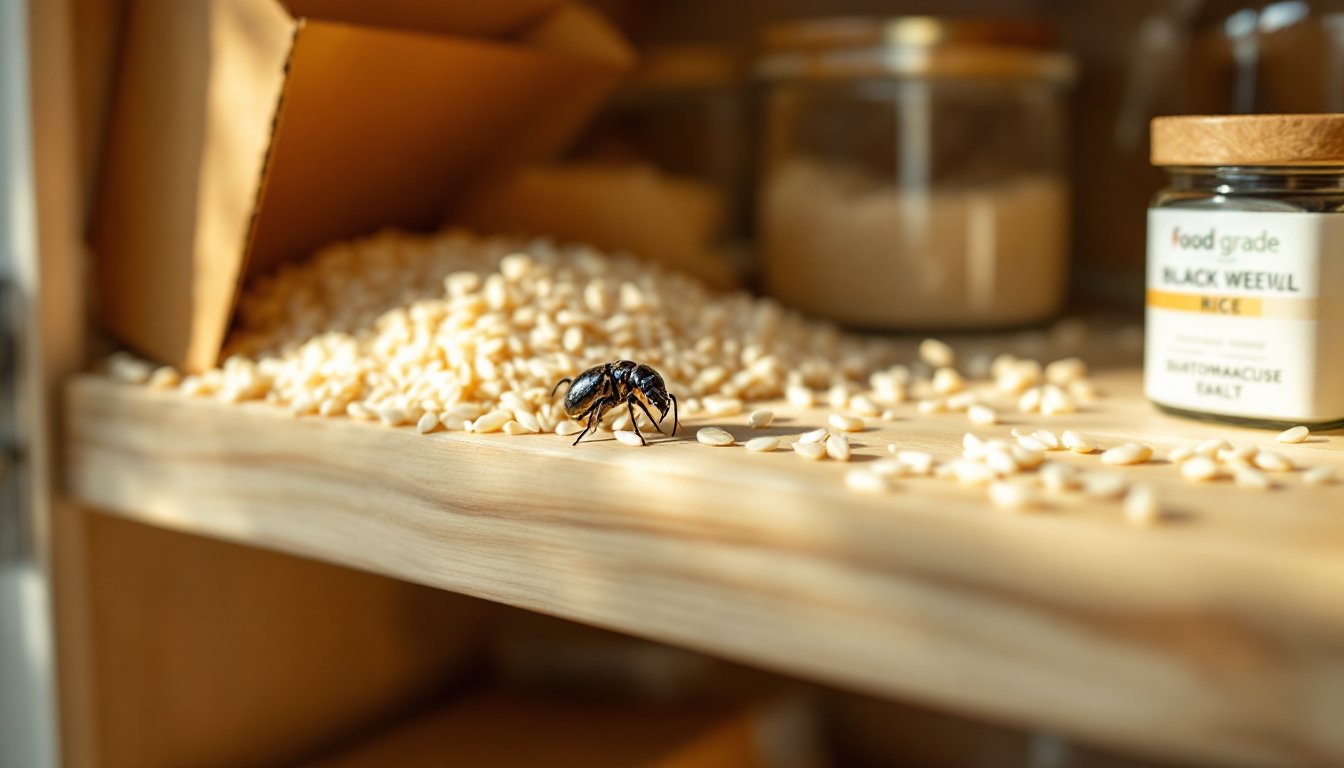
Black weevils might seem like a minor nuisance, but they’re a real threat to tiny homes and small spaces where storage is already tight. These small beetles can infest pantries, damage stored goods, and multiply quickly in the warm, undisturbed environments that compact living spaces often create. Whether you’re living full-time in a tiny home or using one as a vacation retreat, understanding how to identify, prevent, and eliminate black weevils protects both your food supplies and your peace of mind. This guide walks you through everything homeowners need to know to keep these pests under control.
Table of Contents
ToggleKey Takeaways
- Black weevils are small beetles that infest stored grains and dry goods, thriving in warm, undisturbed pantry environments typical of tiny homes where they multiply rapidly and damage food supplies.
- Early detection is critical: look for visible beetles, small round exit holes in grain products, webbing, clumping, and musty odors, and check cabinets monthly during peak activity months (April–October).
- Transfer all dry goods into airtight containers immediately after purchase, freeze new grain products for 48 hours to kill eggs and larvae, and maintain cooler pantry temperatures below 70°F to slow weevil reproduction.
- If infestation occurs, discard all contaminated products, thoroughly vacuum and clean every pantry corner and crevice, apply food-grade diatomaceous earth as a defense layer, and restock only in new airtight containers.
- For severe black weevil infestations affecting multiple product areas or throughout the kitchen, hire a licensed pest control professional to apply targeted, food-safe treatments and identify hidden breeding sites.
What Are Tiny House Black Weevils?
Black weevils are small beetles from the Curculionidae family, though the term “black weevil” typically refers to species like the black vine weevil or rice weevil. Adults are roughly 3–8 mm long with a dark brown or black exoskeleton, a distinctive long snout (rostrum), and a hard body that makes them difficult to crush by hand. They’re not inherently “tiny house” pests, the name just reflects how problematic they become in compact living spaces where storage areas are dense and less frequently inspected.
Rice weevils and similar species are particularly common in stored grains, flours, and dried goods. Unlike termites or carpenter ants, black weevils don’t damage wood structure: instead, they target your food pantry. Adult weevils lay eggs inside or on stored products, and larvae tunnel through the material as they develop. A single mating pair can produce hundreds of offspring in a few weeks under ideal conditions.
Where Do Black Weevils Come From?
Black weevils usually hitchhike into your home via infested grain products, flour, rice, pasta, beans, or other dry goods purchased from grocery stores or bulk bins. They’re less common in sealed, processed foods and more prevalent in bulk items, whole grains, and products stored in permeable packaging. Once they enter, they thrive in warm (68–86°F), humid environments with minimal disturbance, exactly the conditions found in kitchen cabinets and pantry corners.
Infested products are the primary entry point, but weevils can also come from outdoor sources like bird seed, pet food, or garden compost if stored indoors. In tiny homes, where everything is close together and climate control can be minimal, an infestation spreads quickly from one storage container to adjacent ones. Weevils don’t require a huge food source: they can sustain populations on crumbs, dust, and the remains of spilled grain in cabinet corners for months.
Signs of a Black Weevil Infestation in Your Home
Early detection stops an infestation before it becomes a full-blown problem. Look for these telltale signs:
- Visible adult weevils: Spotting one or two dead or live beetles near your pantry or on windowsills is a red flag. They move slowly and aren’t shy about crawling across visible surfaces.
- Holes in grain products: Examine rice, flour, and cereal boxes carefully. Small, round exit holes (about the size of a pin) indicate larvae have matured and left the product.
- Webbing or dust: Infested grains often show fine silk-like strands or a powdery residue at the bottom of storage containers, this is frass (pest droppings) and shed larval skin.
- Grain clumping: Moisture and waste products from larvae can cause flour and grain to clump or feel slightly damp, even in sealed containers.
- A musty smell: Heavy infestations sometimes produce a faint, musty odor from the accumulated frass and decaying grain.
In a tiny home, check cabinets monthly during warmer months (April–October), when weevil activity peaks. Don’t ignore a single weevil: it’s a scout, and there are likely more in nearby products.
Prevention Strategies for Homeowners
Storage and Pantry Management
The best defense is preventing weevils from entering in the first place. After purchasing dry goods, transfer them to airtight containers with secure lids, plastic tubs with gasket seals or glass jars work well. Don’t rely on original bags or boxes: weevils can chew through cardboard and paper within days. Label containers with contents and purchase dates so you can rotate stock and catch older items before they become infested.
Freeze new grain products for 48 hours after purchase if you suspect they may be contaminated, especially bulk items. The cold kills eggs and early-stage larvae without affecting food quality. Keep pantry shelves clean by wiping up spilled grain or flour weekly: crumbs and dust are fuel for weevil colonies.
Environmental Controls
Black weevils thrive in warm, humid conditions, so maintaining cooler, drier storage areas slows their reproduction significantly. In tiny homes, this means keeping pantry temperatures below 70°F if possible and using a small dehumidifier or desiccant packets in storage areas during humid seasons. Proper air circulation, even a small fan running occasionally, disrupts the stagnant, warm microenvironments weevils prefer.
Store grain and flour in the coolest part of your home, away from heat sources like stoves, direct sunlight, and radiators. Inspect purchased items before storing them: don’t assume bulk goods or items from less-regulated sources are pest-free. When small space living requires creative storage solutions, avoid cramming containers into sealed cabinets without ventilation, weevils love darkness and stillness.
How to Eliminate Black Weevils From Your Home
If you spot weevils even though prevention efforts, act quickly. Start by identifying and discarding all infested products. This is non-negotiable: there’s no safe way to salvage grain or flour once weevils are established inside.
Step 1: Remove infested items. Seal them in a plastic garbage bag and dispose of them outside or in a sealed bin to prevent weevils from crawling back into your pantry.
Step 2: Clean thoroughly. Empty all pantry shelves completely. Vacuum every corner, crevice, and crack using a shop vac or handheld vacuum with a HEPA filter: weevil larvae and pupae hide in cabinet corners and under shelf edges. Wipe down all surfaces with a damp cloth, paying special attention to shelf joints and the back corners where dust accumulates.
Step 3: Apply food-safe diatomaceous earth (DE) if you want an extra layer of defense. Food-grade diatomaceous earth (not pool-grade) can be lightly dusted on pantry shelves and around the edges of storage areas. It’s a mechanical pesticide that damages weevil exoskeletons without toxic residue. Wear a dust mask when applying: while food-grade DE is safe to ingest in tiny amounts, inhaling powder isn’t ideal.
Step 4: Inspect and replace. Before restocking, inspect every item you’re returning to the pantry. Transfer all grain, flour, rice, and pasta into new airtight containers. Don’t reuse old containers unless you’ve run them through the dishwasher on the hot cycle.
If the infestation is severe, weevils in multiple product areas, visible larvae, or a musty smell throughout the kitchen, consider calling a licensed pest control professional. They can apply targeted, food-safe treatments and identify hidden breeding sites you might miss. For tiny homes, where infestations spread rapidly through compact storage, professional intervention often saves time and prevents recurrence.
Chemical pesticides designed for stored-product pests (like those containing pyrethrin or neem oil) are available at hardware stores, but read labels carefully and follow application instructions exactly. Never spray near food preparation surfaces, and always wear gloves and work in a well-ventilated area. Keep pets and children away during and after treatment.