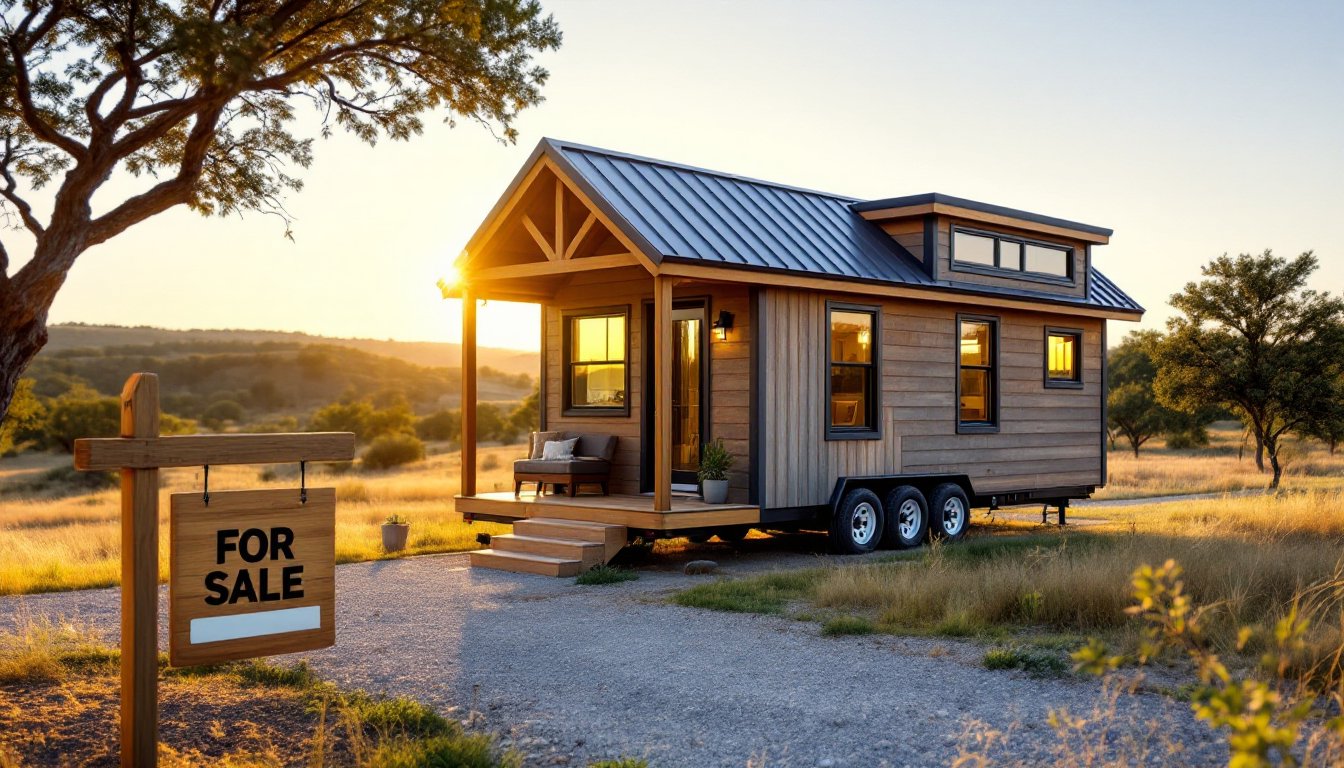
The dream of homeownership doesn’t have to come with a mortgage that bleeds your bank account dry. For thousands of Texans, tiny houses are rewriting the rules of what’s possible on a budget. Whether you’re a first-time buyer tired of being priced out of the market, someone downsizing for a simpler lifestyle, or a DIY enthusiast drawn to the efficiency of compact living, tiny houses for sale in Texas offer genuine alternatives to traditional real estate. With land still relatively affordable in many parts of the state, creative floor plans that maximize every square foot, and a growing community of tiny home builders and sellers, Texas has become a proving ground for this lifestyle shift. This guide walks you through why Texas matters for tiny house hunters, where to actually find them, and what to evaluate before making your move.
Table of Contents
ToggleKey Takeaways
- Tiny houses for sale in Texas cost between $60,000–$150,000, making homeownership dramatically more affordable than conventional homes while avoiding decades of debt.
- Texas’s low property taxes, available rural land, and minimal zoning restrictions create an ideal environment for tiny house buyers compared to densely regulated coastal states.
- Austin and the Hill Country are the primary tiny house markets in Texas, with Dallas–Fort Worth and San Antonio emerging as secondary hubs with growing inventory.
- Passive cooling, cross-ventilation, and durable permanent foundations are essential features in Texas tiny houses to withstand summer heat and severe weather conditions.
- Before purchasing, verify local zoning laws, confirm deed restrictions, and hire a tiny-home-experienced inspector to avoid costly surprises and ensure long-term viability.
- Specialized platforms like Tiny House Listing, Facebook groups, and local real estate agents familiar with the market offer better search results than mainstream MLS listings.
Why Texas Is Becoming A Tiny House Hotspot
Texas is drawing tiny house buyers for reasons that go beyond trendy aesthetics. The numbers make sense, the geography cooperates, and the cultural attitude toward building and living differently feels less weird here than in many other states.
Affordability & Lower Entry Costs
The baseline truth: a tiny house on wheels or a small fixed foundation costs substantially less than a conventional home. While a median home price in major U.S. metros pushes $450,000 to $600,000, a well-built tiny house often lands between $60,000 and $150,000, either built or purchased used. In Texas, where property taxes are lower than in many states and vacant land in rural or semi-rural areas remains comparatively affordable, the total cost of ownership stays reasonable. A buyer can own a tiny house outright in many cases, sidestepping decades of debt. Energy bills also drop dramatically: heating and cooling 400 square feet costs a fraction of what you’d pay for a 2,000-square-foot conventional home. The Tiny House Movement: Discover has made this economics crystal clear to a new generation.
Taxes vary by county and municipality, but Texas overall has no state income tax, which sweetens the deal for tiny house owners looking to maximize their financial flexibility. Utilities, maintenance, and insurance all scale down proportionally with square footage.
Available Land & Geographic Advantages
Texas’s sheer size and relatively low population density outside major metros mean land is still available at prices that won’t trigger sticker shock. Unlike densely zoned Northeast or West Coast jurisdictions, rural Texas counties and small towns often allow residential tiny homes on modest lot sizes, sometimes as little as half an acre. Zoning codes in many areas either explicitly permit tiny houses or apply minimal restrictions. The regulatory environment, while always requiring due diligence, tends to be less adversarial than it is in states like California or Massachusetts, where every jurisdiction seems to have different rules.
Geographically, Texas offers variety: the Hill Country provides scenic acreage, South Texas offers open land near the coast, and North Texas gives proximity to Dallas–Fort Worth. This diversity means tiny house buyers aren’t forced into a single climate zone or lifestyle region. Heat is manageable with proper passive cooling design and ventilation, advanced construction techniques and energy-efficient building methods make this more feasible than it was a decade ago.
Where To Find Tiny Houses For Sale In Texas
Finding an available tiny house for sale in Texas requires knowing where to look and understanding the different listing channels. Unlike conventional homes, tiny houses often don’t appear on mainstream MLS platforms, though this is changing.
Top Texas Markets For Tiny Home Buyers
Austin and the surrounding Hill Country remain the epicenter of Texas’s tiny house scene. Proximity to the city, strong community networks, and a progressive attitude toward alternative housing have spawned several builders and a steady resale market. The Austin area has multiple communities designed specifically for tiny homes, and private sales happen frequently.
Dallas–Fort Worth and San Antonio are emerging markets where inventory is growing. Builders are responding to demand, and more conventional real estate agents now handle tiny house transactions. As the Tiny Homes for Sale in Tyler, TX page demonstrates, even smaller secondary markets like Tyler are seeing activity.
Houston has pockets of interest, particularly in older neighborhoods where lot sizes and zoning already favor smaller footprints. South Houston and satellite communities offer land and fewer deed restrictions.
Where to actually search: Start with specialized platforms like Tiny House Listing, Facebook groups dedicated to Texas tiny homes, and local real estate agents in the counties you’re targeting, many smaller-town agents now understand the market. Craigslist and Zillow occasionally list tiny homes, though the descriptions may not use the term “tiny house.” Look for “small home,” “ADU,” or “cottage.” Many builders maintain direct inventory and websites: searching “tiny house builder [county name]” often yields better results than generic searches.
Don’t overlook real estate investment groups and development communities. Tiny Homes For Sale In Louisiana and similar regional explorations have shown that adjacent states’ markets sometimes reveal available options and builders willing to relocate projects to Texas. Networking at tiny house conferences or meetups, yes, these exist, can surface off-market listings before they hit public platforms.
What To Look For In A Texas Tiny House
Not all tiny houses are created equal, and Texas’s climate and building standards mean certain features matter more than others.
Design & Layout Considerations
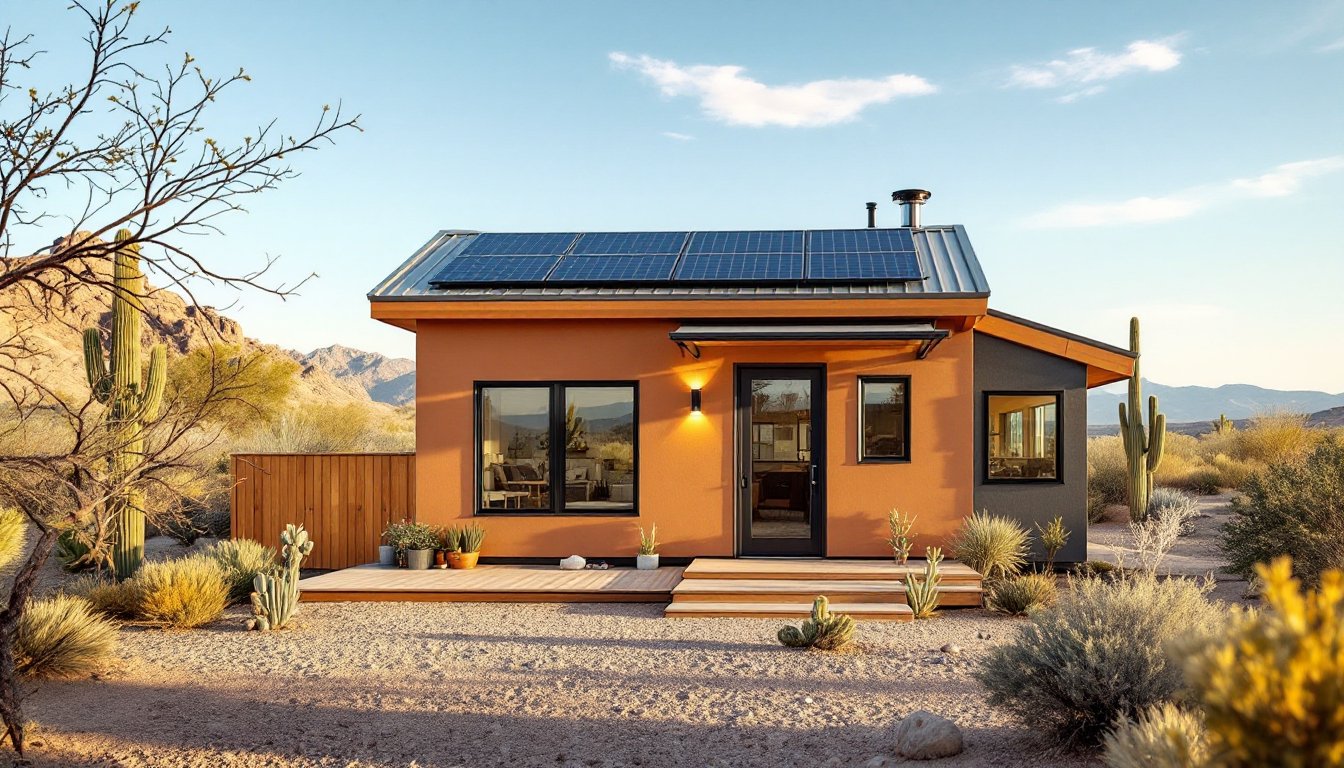
Passive cooling and ventilation are non-negotiable in Texas. Look for homes with cross-ventilation (windows on opposite walls), ceiling fans, and generous eave overhangs to shade walls and windows. A metal roof reflects heat better than asphalt shingles. In a compact space, poor air circulation becomes unbearable during summer months: this isn’t just comfort, it affects utility costs and the actual viability of the home. Southern Living’s regional home design expertise illustrates how porch overhangs and breeze-friendly layouts are central to Southern dwelling efficiency.
Storage and multi-use spaces are survival skills in tiny houses. A fold-down desk, a Murphy Bed Tiny House setup, or built-in shelving that serves as room dividers transforms 300 square feet into functional living. Evaluate the floor plan ruthlessly: can you actually work, sleep, eat, and entertain without feeling claustrophobic? Walk through a model or video tour carefully: photos lie.
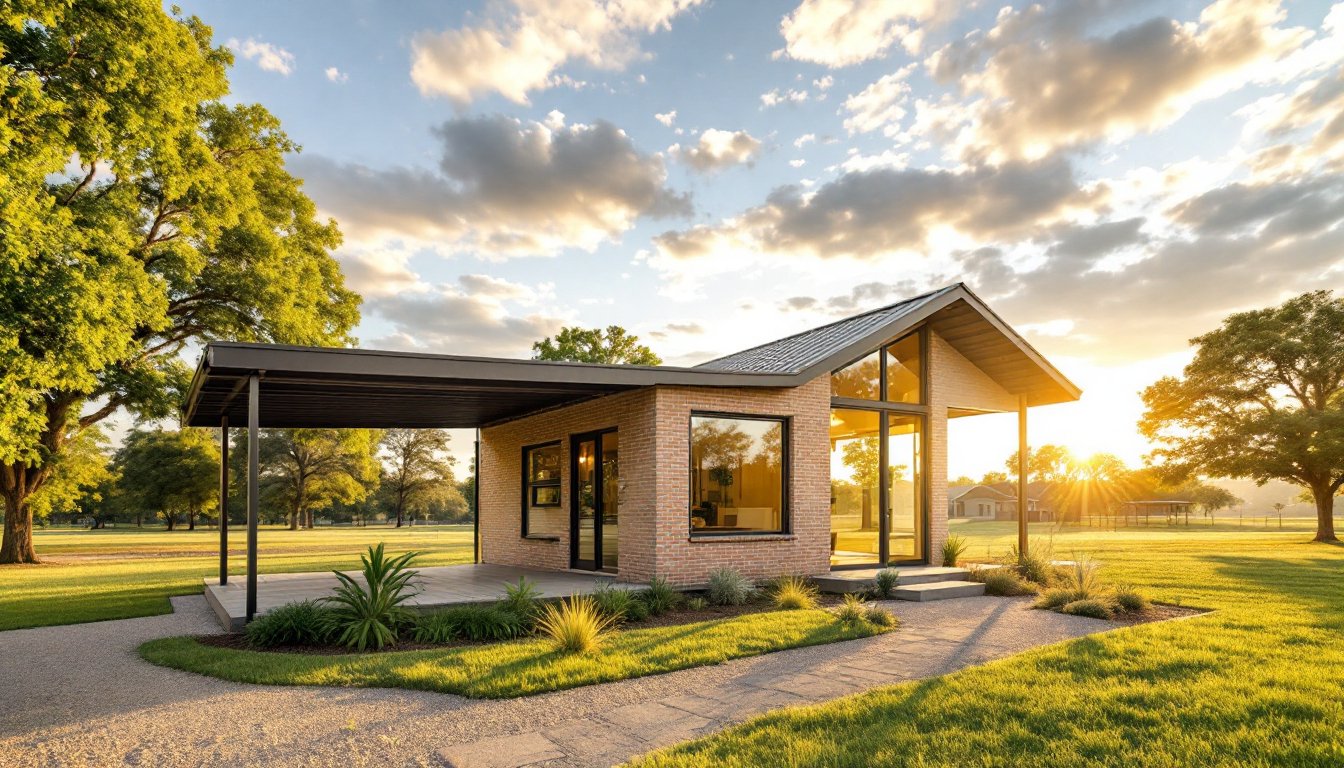
Foundation type affects longevity and resale. A permanent foundation (concrete slab or pier-and-beam) is more desirable than a trailer frame if you plan to stay put long-term. Trailer-based tiny houses are mobile, which appeals to some buyers, but they depreciate and may carry higher insurance costs. Texas’s occasional severe weather, hail, flash floods in some areas, and high winds, means foundation durability and roof strength matter. Check for proper tie-downs and anchoring if considering a mobile tiny home.
Insulation and thermal envelope quality vary wildly among builders. In a 400-square-foot home, poor insulation or thermal bridging (heat leakage through studs and fasteners) makes heating or cooling inefficient and bills spike. Ask builders directly about R-value in walls and ceiling, window U-factors, and whether the build includes a vapor barrier. This isn’t flashy, but it’s the difference between a cozy tiny house and an uncomfortable money pit.
Plumbing and electrical capacity should be clearly documented. Tiny houses often use 30-amp or 50-amp electrical service (conventional homes use 100–200 amps), which is fine for the load but requires knowing your limitations. If you ever plan to add a second bedroom, a workshop, or serious A/C upgrades, undersized electrical or water infrastructure becomes a deal-killer. Request electrical and plumbing plans from the builder or inspector.
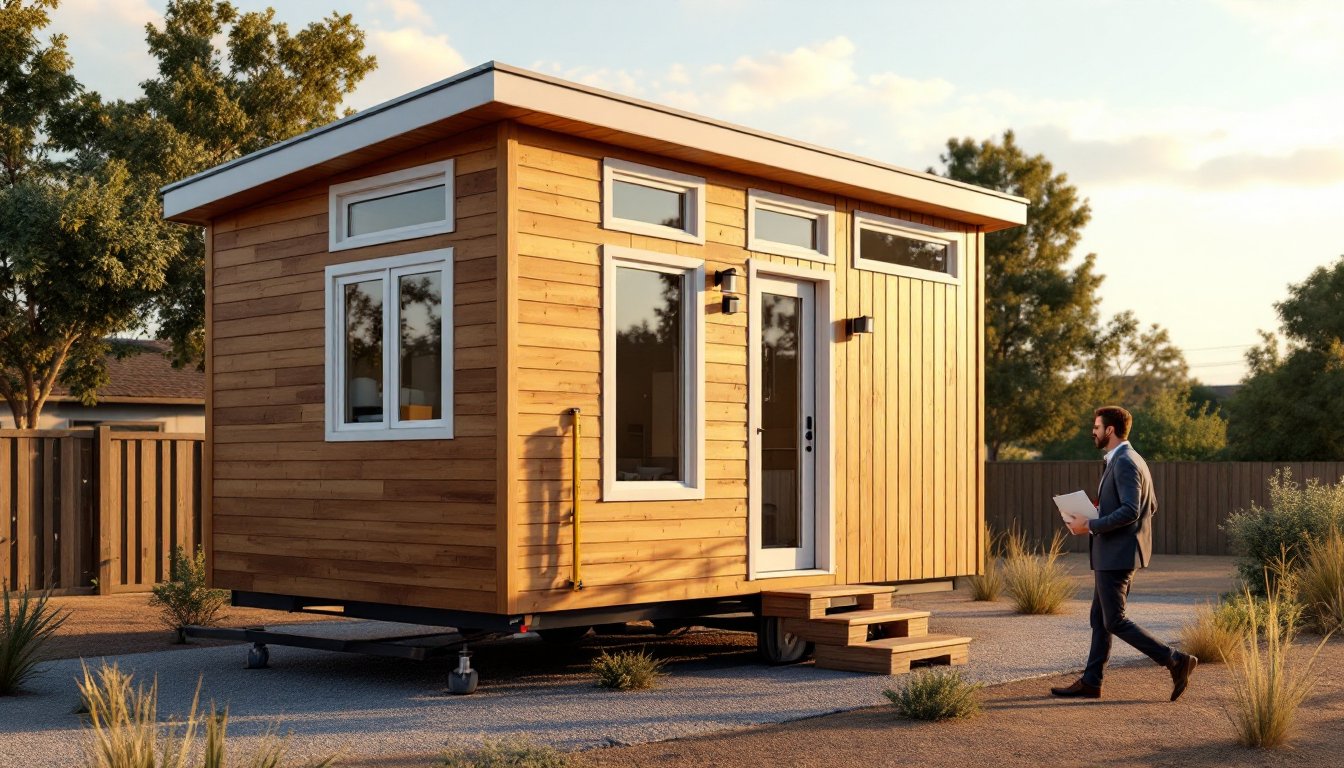
Local zoning and deed restrictions must be confirmed before purchase. Some Texas counties require minimum lot sizes that may conflict with tiny house placement. Some homeowner associations prohibit them outright. Work with a real estate attorney familiar with tiny homes in your target area: the $500–$800 consultation fee saves thousands in regret. Verify that the lot is zoned for residential use and that tiny houses are explicitly allowed or fall within “permitted” definitions.
When evaluating a used tiny house, hire an inspector experienced with small homes, many conventional inspectors don’t understand the unique wear points, and a roof leak or rotted floor joist becomes catastrophic in a structure where you can’t afford major repairs.