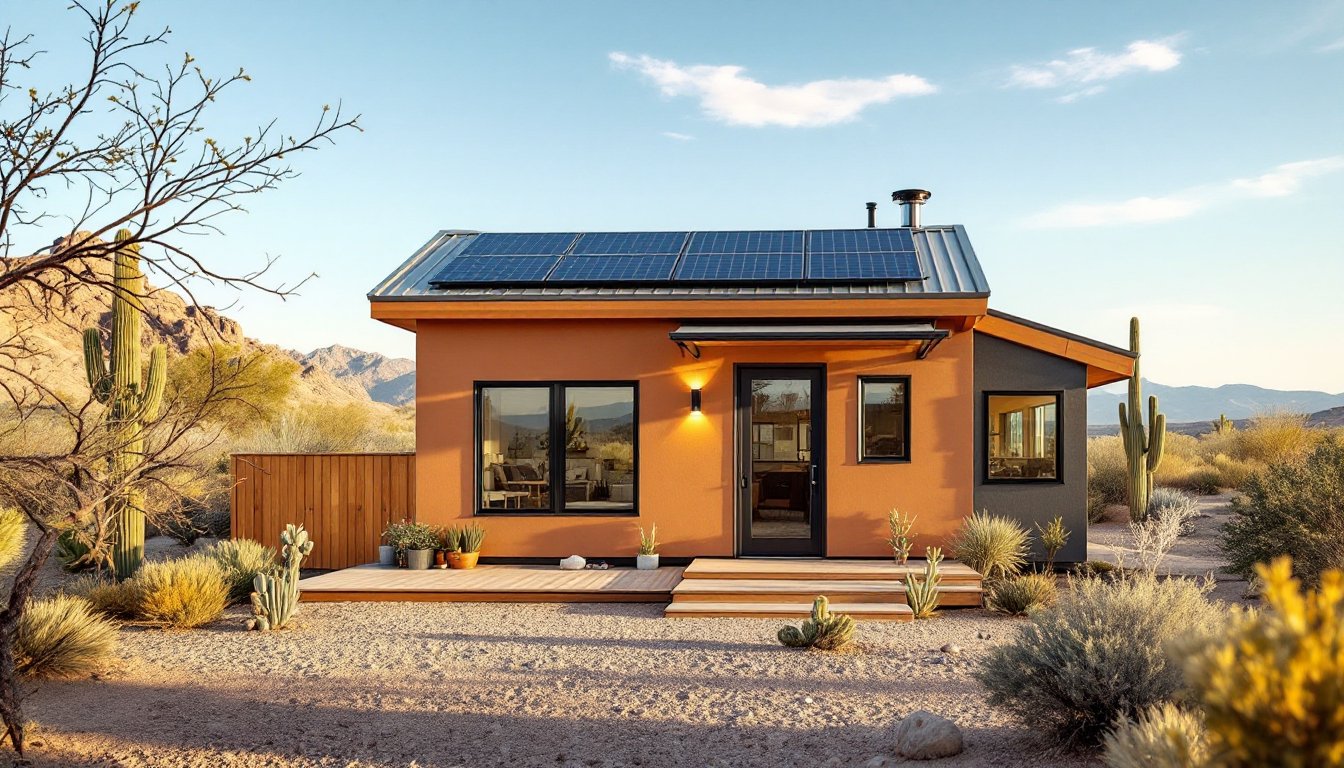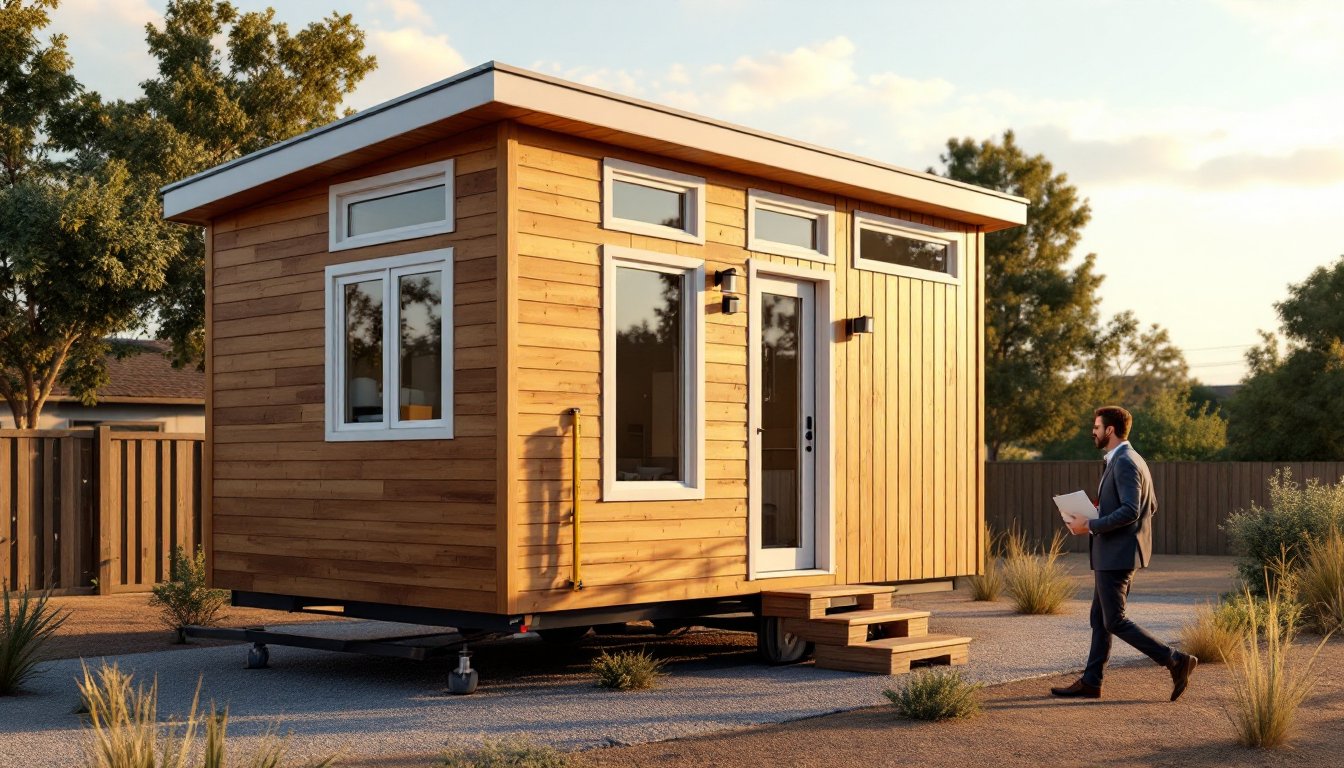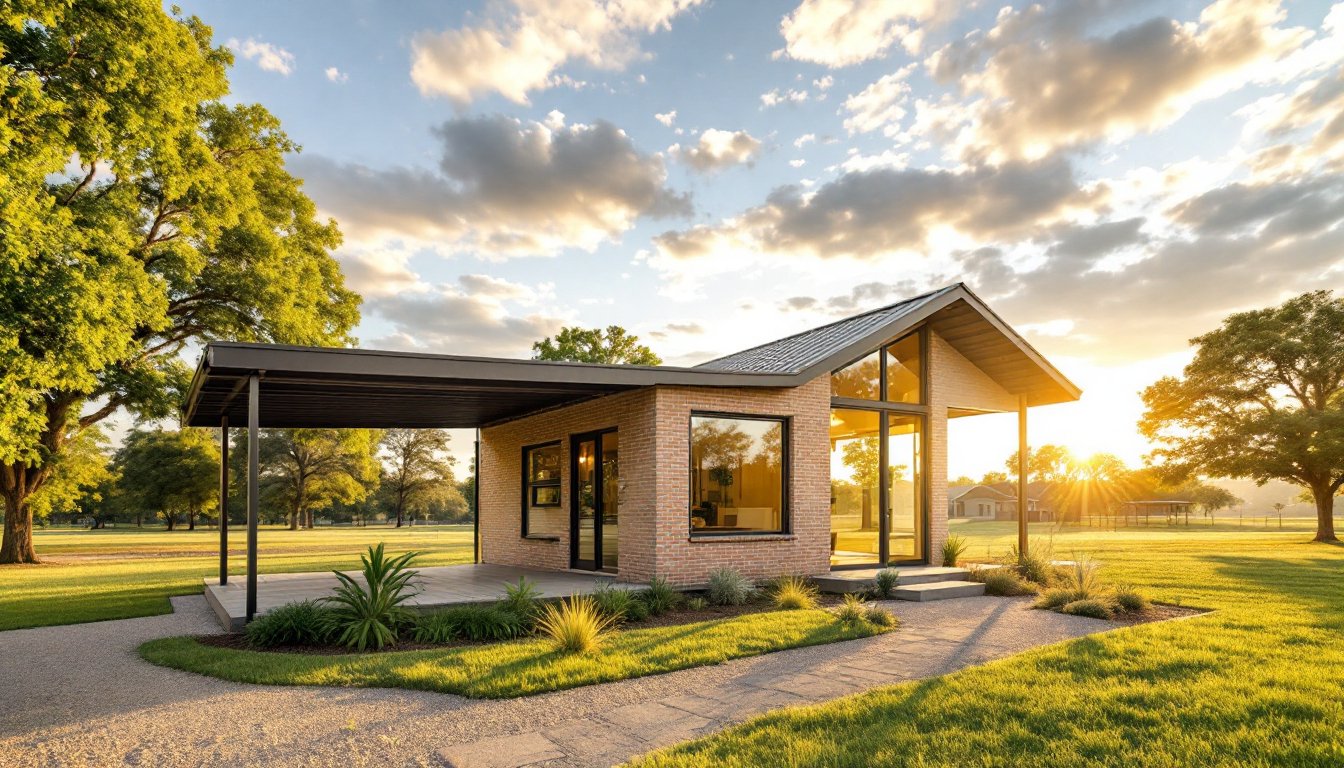

Ohio is experiencing a quiet housing revolution. More residents are trading sprawling suburban estates for compact, efficient tiny homes that cut costs, reduce maintenance headaches, and let you live where you actually want. Whether you’re downsizing after the kids leave, seeking financial freedom, or simply tired of managing square footage you don’t use, tiny homes in Ohio offer a practical path forward. This guide walks you through finding, financing, and settling into your own tiny home in the Buckeye State, without the jargon or hard sell.
Table of Contents
ToggleKey Takeaways
- Tiny homes for sale in Ohio cost significantly less than national averages, with new homes ranging from $60,000–$90,000 and used models starting at $30,000, making homeownership more attainable.
- Ohio’s flexible zoning, available rural land, and lower property taxes make it an ideal state for tiny home living, especially in Central Ohio around Columbus and rural counties like Wayne and Summit.
- Financing tiny homes is increasingly accessible through mortgages for foundation-mounted units and personal property loans for portable homes, with down payments typically between 10–25%.
- Verify zoning regulations and building codes with your local township or city before purchasing—Ohio municipalities vary widely on tiny home allowance, from full permission to designated clusters or outright restrictions.
- Strategic design elements like multifunctional furniture, layered lighting, vertical storage, and open floor plans transform tiny homes into comfortable, functional living spaces without sacrifice.
- Ohio’s climate demands solid insulation (R-30 to R-40 in walls, R-50+ in ceilings), metal roofing, and efficient heating systems like mini-split heat pumps to manage cold winters and humidity.
Why Tiny Homes Are Gaining Popularity in Ohio
Ohio’s appeal for tiny home living rests on solid economics and lifestyle logic. Housing costs in Ohio remain well below the national average, making a tiny home purchase far more attainable than in coastal states. A modest 400-square-foot home on rural or suburban land often costs less than a down payment on a traditional house elsewhere.
Beyond price, tiny homes solve real problems. Heating and cooling bills drop dramatically when you’re not conditioning wasted hallways and unused bedrooms. Property taxes are lower. Maintenance shrinks to what you can actually handle yourself, no three-story roof repairs or sprawling HVAC systems to replace. For retirees on fixed incomes or young adults saving for other goals, this arithmetic is compelling.
Ohio’s climate and building culture also matter. Winters demand solid insulation and reliable heating, which modern tiny homes deliver better than older structures. The state’s rural character means land is available, zoning is often flexible, and communities embrace independent living. That’s different from states where tiny homes still fight municipal codes or neighborhood resistance.
Where to Find Tiny Homes for Sale Across Ohio
Finding a tiny home in Ohio requires knowing where to look. National platforms like Zillow, Redfin, and Curbed’s guide to finding and buying tiny homes list many properties, but filtering for “tiny” often means sifting through standard condos. Specialized marketers like Tiny Home Listings and Land.com focus specifically on small-structure sales and often connect you with builders.
Local Facebook groups and Craigslist remain goldmines for off-market deals, many tiny home owners sell directly to avoid realtor fees. Real estate agents who specialize in land or rural properties in Ohio understand zoning quirks and can spot opportunities traditional searches miss. Don’t overlook tiny home builders operating in Ohio: they often have completed models or upcoming projects at specific stages.
Network with the Ohio Tiny Home community online. Many groups share listings, contractor recommendations, and financing tips specific to the state.
Top Cities and Regions with Tiny Home Listings
Central Ohio, especially around Columbus, has seen the strongest growth in tiny home listings. The area’s diverse zoning codes, robust real estate market, and younger population create demand. Northeast Ohio (Cleveland area) and the southern region near Cincinnati also show active markets, though availability fluctuates. Rural counties like Wayne and Summit have land availability and relaxed zoning, making them attractive for buyers who’ll build or place a manufactured home.
Coastal comparisons are unhelpful here, Ohio’s market is about affordable land and reasonable municipal processes, not scenery premiums. Check county auditor websites for property tax assessments and zoning maps: this legwork reveals where tiny homes fit comfortably into local codes. Tiny Home Village communities sometimes operate in partnership with local developers and can provide structured, permissioned pathways to ownership.
What to Expect: Pricing and Features of Ohio Tiny Homes
Pricing for tiny homes in Ohio typically ranges from $30,000 for used portable units to $120,000 for new, land-inclusive setups, far below Ohio’s median home price. A new, high-spec tiny home (400–500 square feet) with modern finishes, solid construction, and professional design often lands in the $60,000–$90,000 range without land. Used models and trailer-based homes cost less but may need structural work or reinsulation, especially if they’ve lived outdoors in Ohio winters.
Land prices vary wildly. Rural acreage costs $5,000–$15,000 per acre in most counties: suburban fringe land near Columbus might be twice that. A 1–2 acre parcel suitable for a tiny home typically runs $10,000–$30,000. These figures shift with market swings and local demand, so always verify current county assessor data and compare recent sales.
Typical features in Ohio tiny homes include open floor plans (fewer walls mean fewer support costs), lofted bedrooms (leveraging ceiling height without footprint), full kitchens (few buyers want to sacrifice cooking), and efficient mechanical systems (mini-split heat pumps are common because they’re quiet, zone-controllable, and work in Ohio’s temperature swings). Bathrooms are compact but complete, a shower/tub combo, not just a shower stall.
Material choices matter for durability in Ohio’s humid summers and cold, snowy winters. Metal roofing resists ice damming: quality underlayment prevents ice-dam leaks: insulation standards (often R-30 to R-40 in walls and R-50+ in ceilings) keep fuel bills manageable. Budget-tier tiny homes sometimes cut these corners: inspect carefully before buying.
Financing and Legal Considerations for Tiny Home Buyers
Financing a tiny home in Ohio is harder than financing a conventional house, but not impossible. Banks and credit unions increasingly offer mortgages for tiny homes on permanent foundations, the same process as a traditional house. If your tiny home sits on a trailer or mobile chassis, lenders treat it as a personal property loan (higher interest, shorter terms, lower principal limits).
Down payments are typically 10–20% for foundation-mounted homes, 25%+ for portable units. Your credit score, debt-to-income ratio, and the property’s zoning all factor in. A home renovation cost guide can help you estimate total investment and assess financing feasibility.
Legal and zoning issues are the real puzzle. Ohio cities and townships vary wildly on tiny home allowance. Some permit them as single-family homes: others allow only in designated clusters (planned communities). A few prohibit anything under a certain square footage. Before you fall in love with a property or design, contact the local zoning board and building department. Ask about setback requirements, parking mandates, utility infrastructure, and whether a permit is required. This conversation costs nothing and prevents expensive surprises.
Manufactured homes (homes built to HUD standards) and mobile homes need specific lot classifications, your property may not qualify. Modular homes (built off-site in sections, assembled on-site) fall under standard building code, not HUD standards, and are easier to finance. Confirm which type you’re buying.
If you’re placing a tiny home on owned land, also check whether deed restrictions or HOA rules prohibit it. Some rural properties come free: others have covenants limiting structure types. Title search and local legal review prevent disasters.
Design Inspiration: Making the Most of Your Tiny Space
Living small requires intentional design. Multifunctional furniture (a bed with drawers underneath, a dining table that converts to workspace) stretches utility without cluttering. Vertical storage, wall-mounted shelves, tall cabinets, loft ladders, keeps floors clear and sight lines open, making the space feel larger than it is.
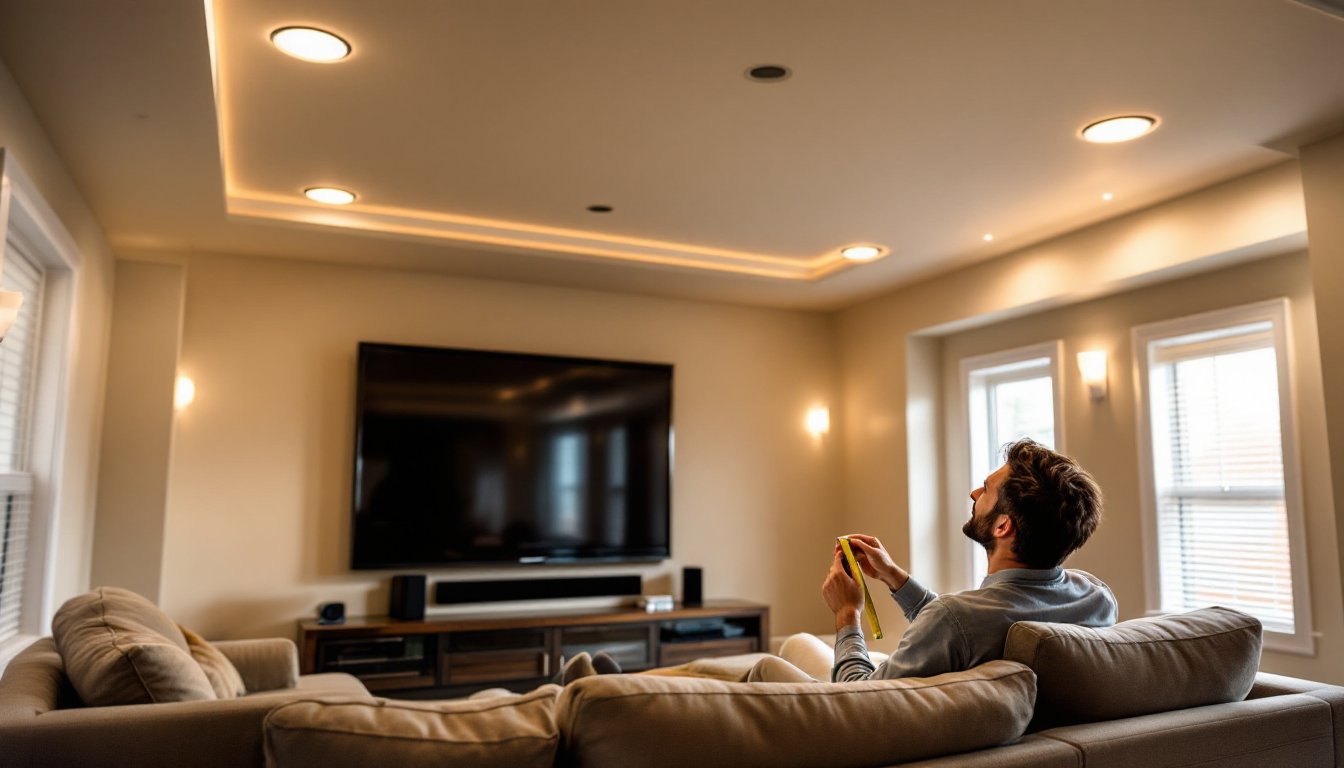
Lighting is underestimated but critical. A single overhead fixture makes a small room feel cramped: layered lighting (a desk lamp, pendant over the dining area, ambient strips in a bedroom loft) creates zones and depth. Mirrors amplify natural light and create illusions of space, this isn’t decoration: it’s functional design.
Color and material choices influence how a tiny home feels. Light neutrals and strategic pops of color prevent visual fatigue. Natural wood tones (real lumber or convincing plywood, not plastic laminate) warm the space without bulk. Matte finishes reduce glare in small rooms.
Flow matters tremendously. Avoid closing off areas with doors when an open layout works, each wall you don’t build saves money and preserves sightlines. Sleeping lofts (accessed by ladder or narrow stairs) free up ground-level living area without sacrificing bedrooms. Many tiny home floor plans showcase proven layouts that work at 400 square feet.
For inspiration and practical solutions, Apartment Therapy’s small space ideas and Indigo River Tiny Homes’ design approach both demonstrate how thoughtful design and smart material choices make tiny living not just functional but genuinely pleasant. Don’t treat a tiny home like a shrunken house: treat it like a deliberate lifestyle where every square foot earns its keep.
Conclusion
Tiny homes in Ohio represent a practical, affordable entry into homeownership or a smart downsizing strategy for those ready to live lighter. The combination of reasonable prices, available land, and growing market awareness makes Ohio a credible destination for tiny home buyers. Do your zoning assignments, inspect foundation and insulation carefully, and understand your financing options before committing. With clear eyes and intentional design, a tiny home in Ohio isn’t a compromise, it’s a choice.